Be with You
2004
No user ratings available yet
Representation score: 1.2 out of 10
Representation Score
Fair
1985
Director
Toshio Masuda
Runtime
126 minutes
Average Rating
No ratings yetNew Showbiz Analysis
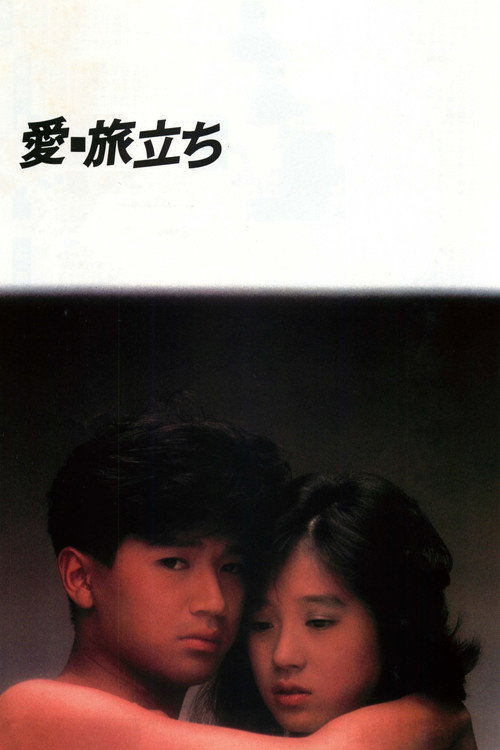
Love: Starting on a Journey is a traditional romantic fantasy that emphasizes emotional tragedy over social commentary. The narrative focuses on the transition between life and death through a central heterosexual relationship. While the film highlights chronic illness and medical fragility, it adheres to standard genre clichés. It does not make intentional efforts to represent multiple aspects of diversity or challenge broader power structures. The production reflects the cultural homogeneity of 1980s Japanese cinema, focusing on individual grief rather than broader social critiques.
Category Breakdown
The film focuses on a heterosexual romantic pairing and does not include any non-cisgender identities or narratives that question the assumption that everyone is straight.
The story centers around a female protagonist facing a medical crisis and her male partner. It follows a traditional romantic dynamic without challenging typical gender roles.
As a 1985 Japanese production, the film features a predominantly Japanese cast. This reflects a culturally homogeneous setting typical of its time and place.
The narrative explores themes of death and spirituality through an existential lens. It leans towards a sentimental exploration of loss without critiquing traditional institutions.
A protagonist's incurable disease and coma are central to the plot. It highlights medical fragility, though the character's role in driving the story is unclear.
Present on Screen
Limited or Absent
Official Synopsis
A girl suffering from an incurable disease get in a coma, while her boyfriend visit her to the hospital, she visits the beyond.
2004

2009

1985
1991

1999
2017
2000
1988
No reviews yet. Be the first to share your thoughts on this movie!
Use the rating form above to leave a star rating and optional review.