Find another title
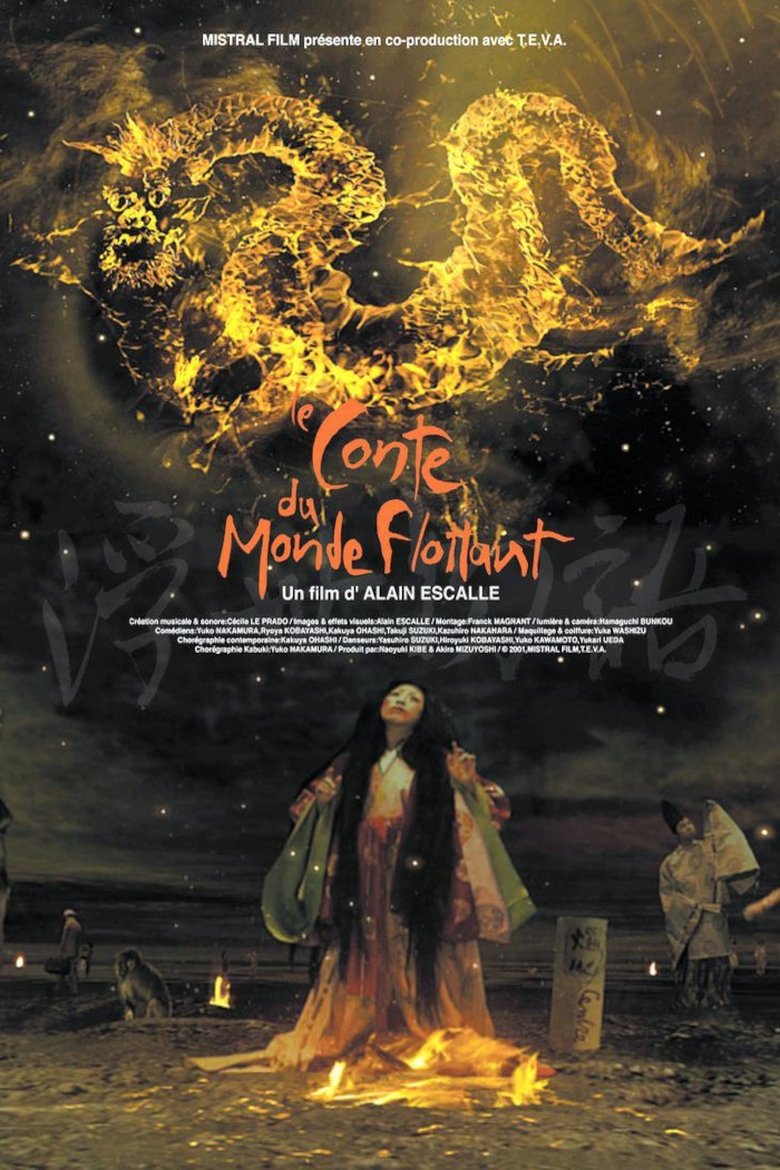
The Tale of the Floating World
2004
Director
Alain Escalle
Runtime
24 minutes
Average Rating
No ratings yetSynopsis
A surrealistic montage set in motion by a tidal wave and incorporating a samurai battle.
Where to Watch
Diversity & Representation
Overall Score
Limited
Category Breakdown
LGBTQ+ Representation
The film lacks any depiction of non-cisnormative identities or same-sex intimacy. The narrative focuses on natural phenomena and combat archetypes instead.
Gender Representation
The samurai battle suggests a focus on traditional masculine archetypes of honor and combat. There is no evidence of gender hierarchy subversion.
Racial & Ethnic Diversity
East Asian cultural motifs are present through the samurai theme. However, it remains unclear if these are nuanced portrayals or stylized historical tropes.
Religious & Cultural Diversity
The work utilizes a Japanese 'floating world' aesthetic. While visually distinct, it is unclear if the film engages in deeper cultural or philosophical critiques.
Disability Representation
The narrative summary contains no mention of physical disabilities, neurodivergence, or mental health conditions.
Strengths
- Incorporates non-Western cultural motifs through the use of East Asian historical themes.
- Utilizes a unique 'floating world' aesthetic rooted in Japanese philosophical contexts.
- Offers a non-Western visual perspective through its surrealist animation style.
Areas for Improvement
- Lacks representation of LGBTQ+ identities or non-cisnormative gender expressions.
- Relies on traditional masculine archetypes without deconstructing gender hierarchies.
- Provides no visibility for characters with disabilities or neurodivergent traits.
AI Analysis
The film functions primarily as a surrealist visual meditation rather than a vehicle for social discourse. It prioritizes elemental imagery, such as a tidal wave, and mythological conflict over character-driven identity politics. While the inclusion of samurai elements provides non-Western cultural texture, the work relies on traditional archetypes. This approach provides aesthetic variety but does not inherently disrupt established power hierarchies or offer intersectional agency. Ultimately, the film's focus on stylized montage and historical motifs leaves little room for the representation of marginalized groups or progressive social themes.
Rate this Movie
Reviews
No reviews yet. Be the first to share your thoughts on this movie!
Use the rating form above to leave a star rating and optional review.