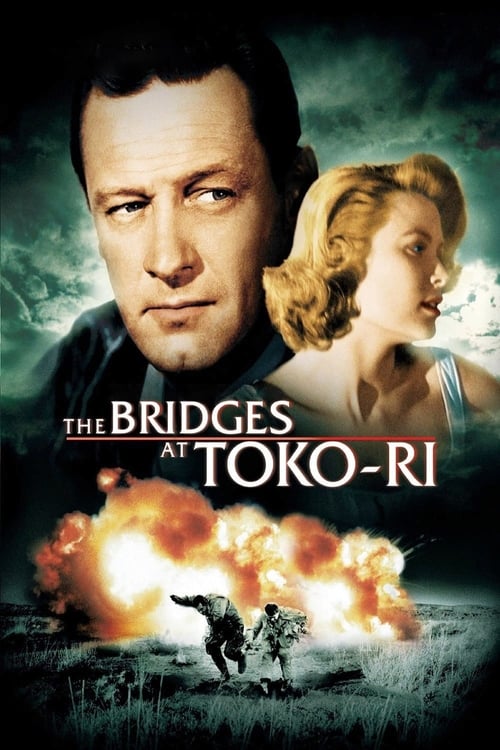
The Bridges at Toko-Ri
1954
No user ratings available yet
Diversity score: 1.4 out of 10

1933
NRDirector
Stuart Walker, Mitchell Leisen
Runtime
73 minutes
Average Rating
No ratings yetSynopsis
The pilots of a Royal Air Force squadron in World War I face not only physical but mental dangers in their struggle to survive while fighting the enemy.
Overall Score
Limited
Category Breakdown
LGBTQ+ Representation
The film lacks any evidence of non-cisnormative identities or same-sex intimacy. It adheres to the heteronormative structures and traditional masculine bonding typical of 1930s combat dramas.
Gender Representation
The narrative focuses on a Royal Air Force squadron, prioritizing masculine leadership and combat roles. Women appear relegated to secondary, supportive roles rather than driving the central military plot.
Racial & Ethnic Diversity
The film likely centers on a homogeneous Anglo-Saxon demographic. This reflects the colonial and social hierarchies inherent to early 20th-century depictions of military squadrons.
Religious & Cultural Diversity
The story emphasizes patriotism and national defense. It aligns with conventional Western ideals of duty and service rather than offering critiques of religion or the state.
Disability Representation
Physical and mental dangers are mentioned, but trauma likely serves as a melodramatic plot device. There is no evidence of nuanced representation regarding neurodivergence or lived disability experience.
Strengths
Areas for Improvement
AI Analysis
The Eagle and the Hawk is a conventional wartime melodrama that reflects the rigid social and military hierarchies of 1933. The narrative focuses heavily on the masculine experience of combat within a Royal Air Force squadron, leaving little room for diverse perspectives. While the film explores the psychological toll of war, these themes appear to function as tools for heightened drama rather than meaningful explorations of identity or disability. The production follows the era's standard cinematic norms, prioritizing traditional heroism and nationalistic duty. Ultimately, the film lacks intersectional complexity. It operates within a narrow framework that reinforces the status quo of the early 20th century, offering a homogeneous view of heroism and service.
1954

1930
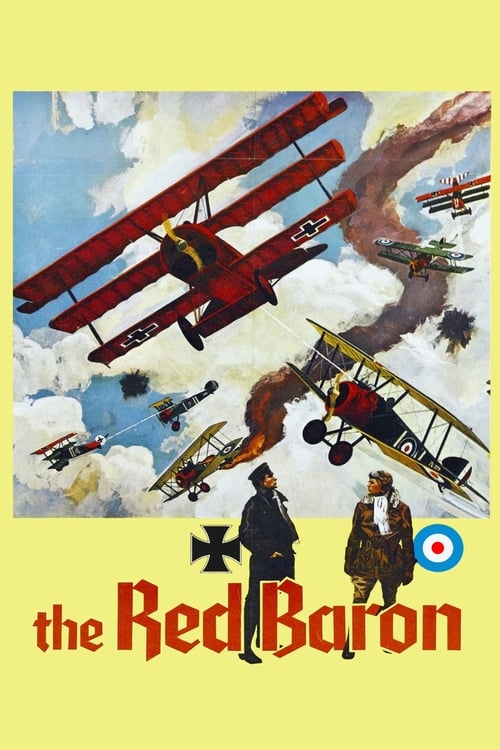
1971

2018
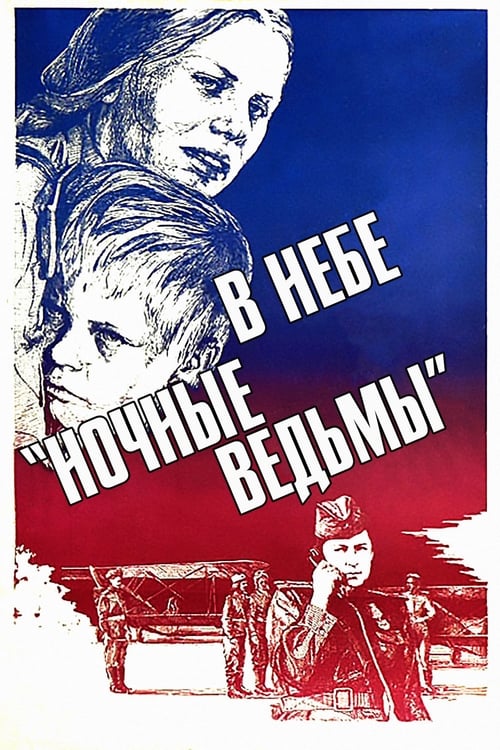
1981
No reviews yet. Be the first to share your thoughts on this movie!
Use the rating form above to leave a star rating and optional review.