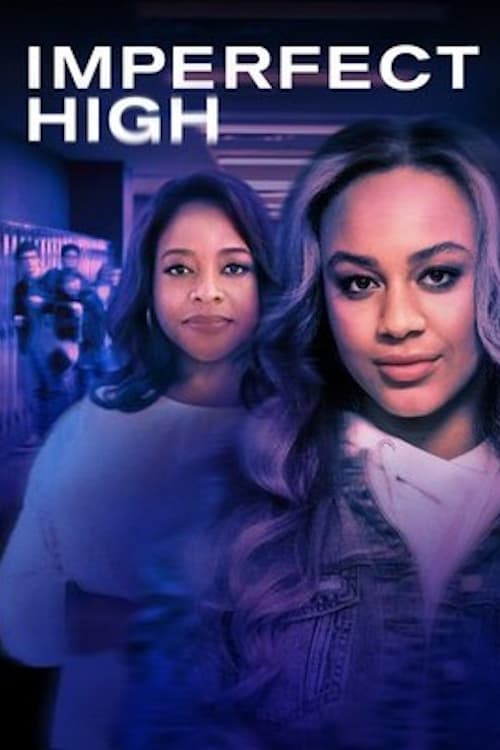
Imperfect High
2021
No user ratings available yet
Diversity score: 5.2 out of 10
2022
Director
Stéphanie Pillonca
Runtime
96 minutes
Average Rating
No ratings yetSynopsis
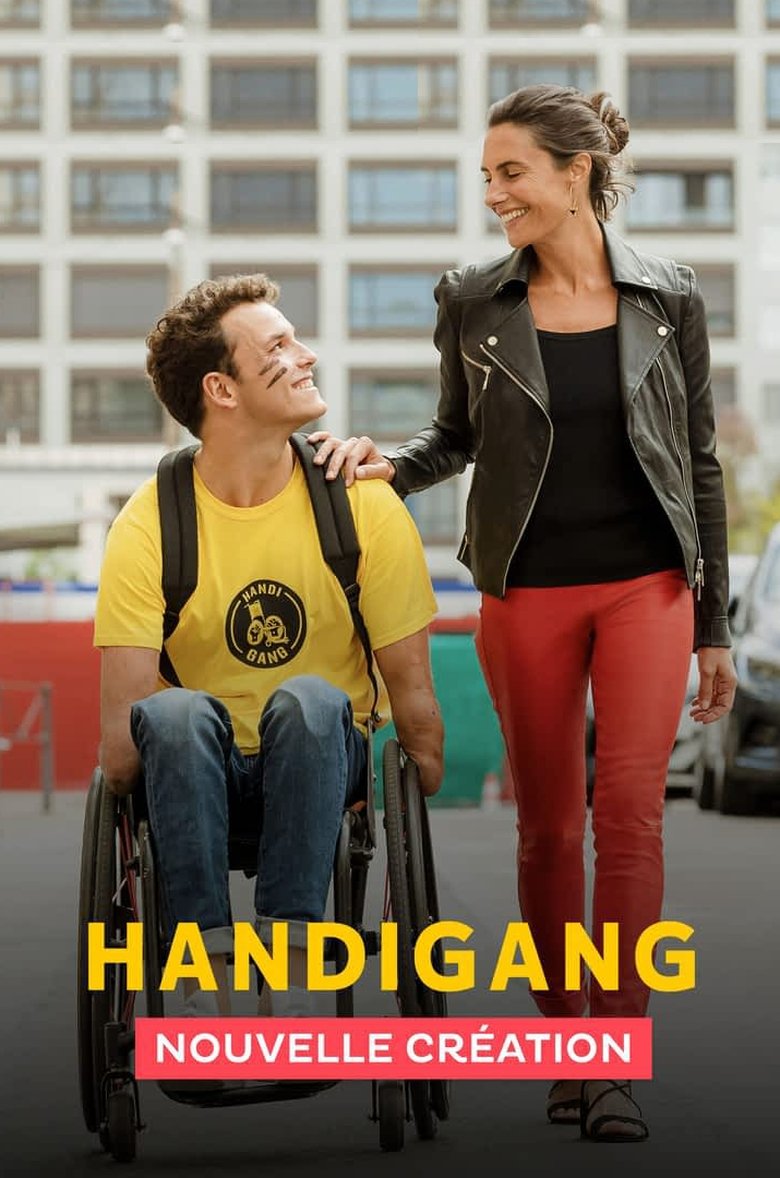
Sam, 17, is in High School, almost like any kid his age... His only difference is his wheelchair. He grew up with his mother, Nina. The arrival of Vincent, a new kid in school, will change a lot of things for Sam. He will make Sam realize the injustice surrounding him and his group of friends: Lila (with Asperger syndrome) and Tom (death). Together, they 'll create a gang to denounce the lack of consideration they endure every day. Far from feeling like victims, they hope to raise awareness by striking hard.
Overall Score
Good
Category Breakdown
LGBTQ+ Representation
The film lacks explicit depictions of LGBTQ+ identities or romantic orientations. However, the narrative's focus on outsider status suggests a thematic openness to non-normative social structures.
Gender Representation
The story disrupts traditional hierarchies by centering a group whose agency is defined by unique circumstances. The collaborative gang structure shifts away from patriarchal leadership models.
Racial & Ethnic Diversity
The narrative provides no specific details regarding the racial or ethnic composition of the cast. Consequently, no definitive assessment of racial diversity can be made.
Religious & Cultural Diversity
The film critiques systemic institutions by framing the protagonists' experiences through the lens of injustice. The characters reject passive assimilation in favor of active, disruptive social engagement.
Disability Representation
Sam and Lila are depicted as proactive agents of change rather than tragic plot devices. The film moves beyond mere inclusion toward active empowerment and systemic recognition.
Strengths
Areas for Improvement
AI Analysis
Handigang stands out for its refusal to treat disability as a source of inspiration porn. By centering Sam, a wheelchair user, and Lila, who has Asperger syndrome, the film grants these characters significant agency. They are not passive victims but active social disruptors fighting systemic neglect. The narrative's strength lies in its critique of social hierarchies. The formation of a collective to denounce injustice suggests a sophisticated approach to representation, prioritizing the lived truths of marginalized youth over institutional narratives. While the film excels in disability representation, it remains silent on racial and LGBTQ+ identities. This lack of specific character data prevents a full understanding of the film's broader social spectrum.
No reviews yet. Be the first to share your thoughts on this movie!
Use the rating form above to leave a star rating and optional review.