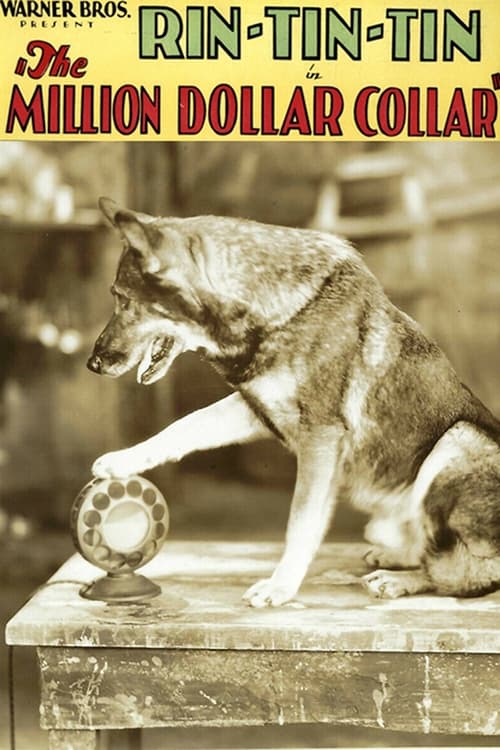
The Million Dollar Collar
1929
No user ratings available yet
Diversity score: 2.6 out of 10

1928
PassedDirector
D. Ross Lederman
Runtime
54 minutes
Average Rating
No ratings yetSynopsis
Rinty rescues heroine June and hero Pat from all manner of desert dangers, both natural and man-made. The film's high point of tension finds the canine star rescuing Nye from a deep pit.
Overall Score
Limited
Category Breakdown
LGBTQ+ Representation
The film follows a traditional romantic structure involving a hero and a heroine. There is no evidence of non-heteronormative identities or same-sex intimacy.
Gender Representation
Male characters and the canine lead serve as the primary agents of action. The female lead's role as a character requiring rescue suggests limited agency.
Racial & Ethnic Diversity
The desert setting implies a non-Western locale, but the cast likely centers on white protagonists. This approach often reinforces colonial-era perspectives.
Religious & Cultural Diversity
The narrative focuses on classic struggles against environmental and antagonistic forces. It prioritizes traditional morality and clear-cut heroism typical of the silent era.
Disability Representation
There is no evidence of characters with visible or invisible disabilities within the film's narrative.
Strengths
Areas for Improvement
AI Analysis
Rinty of the Desert is a product of late 1920s adventure cinema, prioritizing physical spectacle over social complexity. The narrative relies on established genre tropes, centering action around a male protagonist and a canine star. Representation is limited by the era's conventions. Gender roles are strictly hierarchical, with the heroine positioned as a figure to be rescued. The film lacks intersectional depth, focusing instead on straightforward heroism and environmental challenges. While the desert setting provides a backdrop for adventure, the film does not appear to challenge Western-centric casting or cultural perspectives. It remains a conventional silent-era piece focused on traditional morality.
1929

1978

1929

2020

1963

2013

1961

2016
1976

2015
1963

2012
No reviews yet. Be the first to share your thoughts on this movie!
Use the rating form above to leave a star rating and optional review.