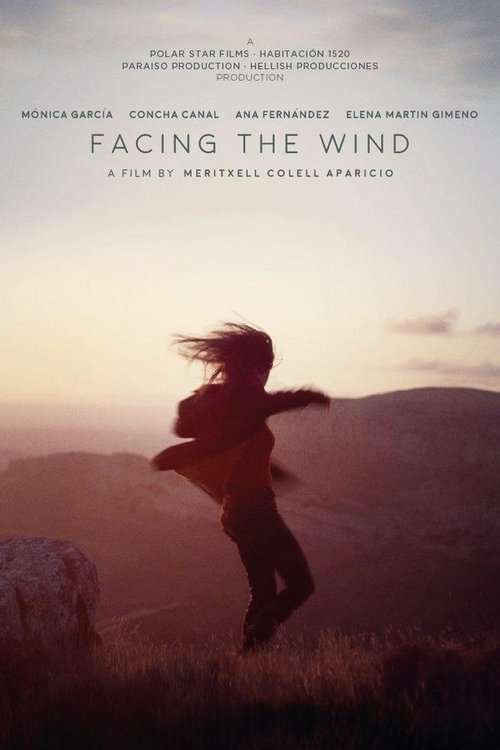
Facing the Wind
2018
No user ratings available yet
Representation score: 6.6 out of 10
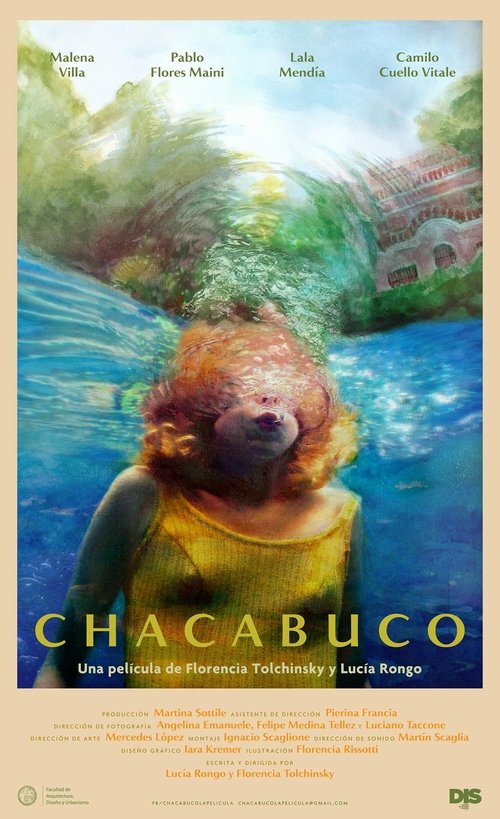
Representation Score
Excellent
2015
Director
Lucia Rongo, Florencia Tolchinsky
Runtime
61 minutes
Average Rating
No ratings yetNew Showbiz Analysis
Chacabuco is a nuanced historical drama that critiques institutional authority. It emphasizes women's ability to drive the story and frames the state as the main antagonist in a fight for justice. The film maintains demographic homogeneity, reflecting the historical context of Argentine student movements. While it lacks explicit LGBTQ+ representation and physical disabilities, it explores themes of autonomy and psychological trauma.
Category Breakdown
The film centers on family reconciliation and political resistance. It does not depict non-cisgender identities or same-sex relationships.
Women play key roles in driving the plot, challenging traditional hierarchies. The film highlights their active involvement in political struggles.
The cast reflects the specific historical demographics of Argentine student activists. Predominantly white, this choice aligns with the socioeconomic realities of the time.
The film critiques institutional power and authoritarianism. It exposes state-sponsored violence to highlight individuals' struggles against systemic injustice.
There are no visible physical or neurodivergent disabilities. However, the film explores the psychological trauma resulting from state repression.
Present on Screen
Limited or Absent
Official Synopsis
Claudia is 17 years old. She is forced to go live with her father, Marcelo, after 15 years of being away. Over a summer trip, the past plays a fundamental role in understanding and reconciling with the present.
2018

2018

2015

2018
2019
2023

2021

2015
No reviews yet. Be the first to share your thoughts on this movie!
Use the rating form above to leave a star rating and optional review.