Under the Bombs
2007
No user ratings available yet
Diversity score: 6.2 out of 10
2002
RDirector
Ben Sombogaart
Runtime
137 minutes
Average Rating
No ratings yetSynopsis
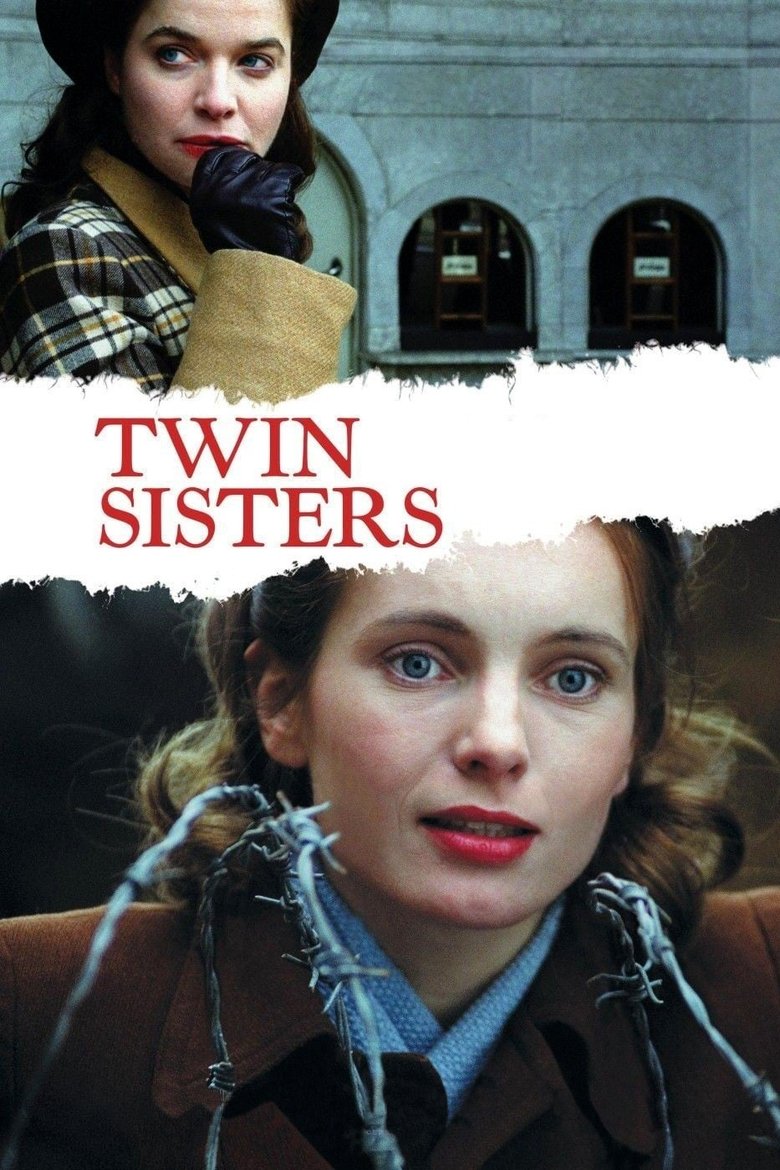
1920s Germany. Two sisters aged six years, no sooner see their remaining parent buried when they are torn apart. Lotte goes to live with her upper middle class Dutch aunt in Holland, Anna to work as a farm hand on her German uncle's rural farm. The World War II impacts each of their lives and finally in old age they meet again.
Overall Score
Fair
Category Breakdown
LGBTQ+ Representation
The film focuses on heteronormative familial bonds and traditional romantic trajectories. There is no discernible presence of non-cisnormative identities or critiques of heteronormativity.
Gender Representation
The narrative centers on female agency, making the sisters the primary drivers of the plot. It explores how women navigate power through both intellectual maneuvering and physical labor.
Racial & Ethnic Diversity
Set in a white European context, the film reflects the demographic realities of the era. It uses movement across borders to highlight shifting national identities.
Religious & Cultural Diversity
The film critiques traditional Western institutions, specifically rigid class systems and nationalist fervor. It frames systemic structures as forces that disrupt human connection.
Disability Representation
There are no prominent depictions of neurodivergence or physical disabilities used as central narrative drivers or character traits.
Strengths
Areas for Improvement
AI Analysis
Twin Sisters is a character-driven period drama that prioritizes the lived experiences of women over traditional patriarchal structures. By centering the plot on the divergent paths of Lotte and Anna, the film subverts typical gender hierarchies of the early 20th century. While the film lacks modern intersectional markers like LGBTQ+ representation or racial diversity, it offers a sophisticated critique of classism and nationalism. It uses the historical backdrop of interwar Europe to examine how systemic forces impact individual agency. Ultimately, the film's strength lies in its exploration of gendered resilience and the corrosive nature of European social hierarchies, even if it remains within a predominantly white, heteronormative framework.
No reviews yet. Be the first to share your thoughts on this movie!
Use the rating form above to leave a star rating and optional review.