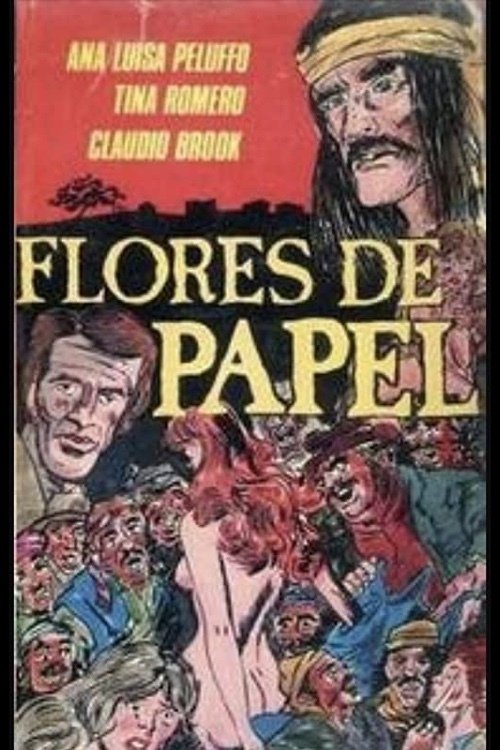
Paper Flowers
1978
No user ratings available yet
Diversity score: 5.7 out of 10
1976
Director
Jorge Fons
Runtime
122 minutes
Average Rating
No ratings yetSynopsis
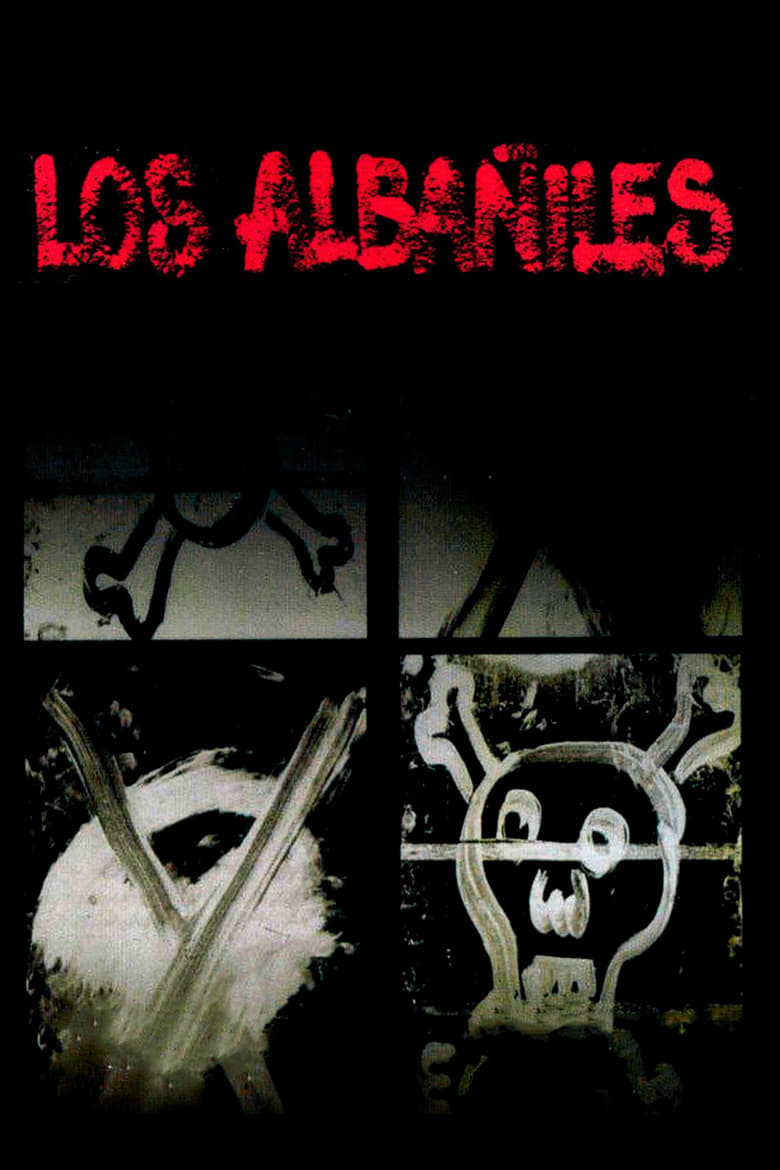
When a worker is found murdered on the construction side, the investigation swiftly turns from things criminal to the political circumstances surrounding the building itself. Widespread corruption and neglect by the builder himself are seen to have brought the situation about. Much of the movie is filmed using hand-held cameras, and the majority of the dialogue is in the difficult-to-understand and very slangy Spanish dialect of Mexico City's bricklayers.
Overall Score
Fair
Category Breakdown
LGBTQ+ Representation
The film centers on a hyper-masculine construction site and the fallout of a violent crime. It lacks overt LGBTQ+ identities or non-cisnormative narratives, focusing instead on labor and survival.
Gender Representation
The narrative is built around male-dominated social structures and a heavily gendered workspace. It offers minimal subversion of traditional gender roles, prioritizing class and political corruption instead.
Racial & Ethnic Diversity
The film excels by using the specific, slang-heavy dialect of Mexico City's bricklayers. This avoids linguistic homogenization and grants significant agency to a working-class, non-Anglo-Saxon majority.
Religious & Cultural Diversity
The story provides a sophisticated critique of corrupt political and capitalist institutions. It frames systemic structures as oppressive forces that facilitate inequality and injustice rather than providing order.
Disability Representation
There is no significant evidence of characters with visible or invisible disabilities being afforded agency. The focus remains strictly on the physical toll of labor and political death.
Strengths
Areas for Improvement
AI Analysis
The Bricklayers is a gritty, realist examination of urban labor and systemic failure. It succeeds most through its commitment to linguistic authenticity and its refusal to sanitize the working-class experience. By utilizing localized vernacular, the film validates a specific cultural identity often erased in mainstream cinema. However, the film's narrow focus on a hyper-masculine environment limits its breadth. The lack of representation for LGBTQ+ identities and the absence of characters with disabilities result in a lower score for those specific categories. Ultimately, the film's strength lies in its systemic critique. It uses the mystery of a murder to deconstruct institutional corruption, making it a powerful tool for social commentary despite its limited demographic scope.
No reviews yet. Be the first to share your thoughts on this movie!
Use the rating form above to leave a star rating and optional review.