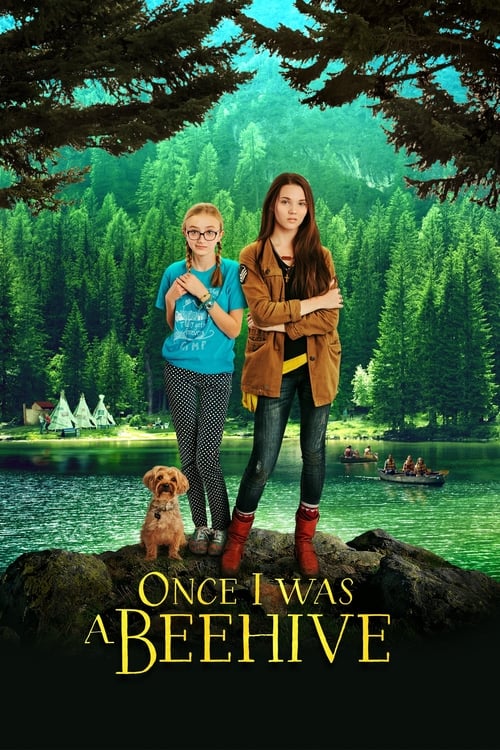
Once I Was a Beehive
2015
No user ratings available yet
Representation score: 2.0 out of 10

Representation Score
Fair
2016
Not RatedDirector
David Anderson
Runtime
85 minutes
Average Rating
No ratings yetNew Showbiz Analysis
After the Reality serves as an interpersonal drama that employs a diverse cast to explore themes of grief and media artifice. The film avoids extreme traditionalism through its casting, yet remains centered on individual emotional journeys rather than systemic social critiques. The representation is moderate, relying on the presence of specific actors to suggest a more inclusive environment. While the cast offers ethnic breadth, the narrative primarily focuses on the protagonist's personal reconciliation. Ultimately, the film occupies a middle ground, featuring a varied ensemble without explicitly deconstructing social hierarchies or providing clear evidence of LGBTQ+ or disability-focused storylines.
Category Breakdown
The film revolves around a male reality show contestant, and there is no clear indication of LGBTQ+ representation. Although Juan Pablo Di Pace is part of the cast, there is no explicit storyline involving LGBTQ+ characters.
The story centers on a man reconnecting with his estranged sister after their father's death. The presence of Sarah Chalke and Jane Lynch suggests a narrative that emphasizes women's ability to drive the story.
The cast includes actors like Juan Pablo Di Pace and Isaiah Mustafa, adding ethnic diversity. However, the depth of these characters within the central family drama remains undefined.
The plot delves into themes of grief and the tension between reality TV and real life experiences. It uses a family cabin setting to explore modern social structures and familial dysfunction.
There is no evidence of characters dealing with physical, neurodivergent, or mental health disabilities within the provided narrative details.
Present on Screen
Limited or Absent
Official Synopsis
The life of a contestant on a 'Bachelorette' style reality show is thrown into turmoil when the sudden death of his father forces him to quit the series prematurely and reconnect with his estranged sister at the family cabin.
2015
2017
2010
2016

2016

2012

2019
2011
No reviews yet. Be the first to share your thoughts on this movie!
Use the rating form above to leave a star rating and optional review.