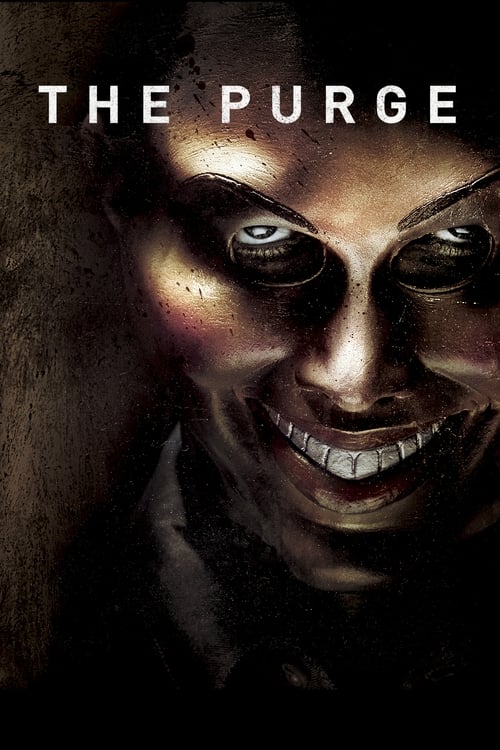
The Purge
2013
No user ratings available yet
Representation score: 2.1 out of 10
Representation Score
Good
2014
RDirector
James DeMonaco
Runtime
103 minutes
Average Rating
No ratings yetNew Showbiz Analysis
The film functions as a critique of systemic oppression, using a high-concept horror setting to explore class-based issues and the breakdown of societal norms. By centering a Black protagonist, it avoids typical genre clichés and employs racial diversity to highlight state-sanctioned violence against underrepresented communities. However, the narrative adheres to traditional gender roles, relying on conventional masculine protector archetypes. While women exhibit strong survival skills, the focus on immediate physical survival limits exploration of LGBTQ+ identities and neurodivergence. Overall, the film's strength lies in its cultural and racial commentary, which elevates it beyond a standard slasher film, despite missing opportunities for broader identity representation.
Category Breakdown
The film does not include explicit LGBTQ+ identities or non-straight relationships. The narrative focuses on survival and immediate physical threats.
Women like Eva show survival skills rather than being passive victims. However, the film relies on traditional masculine roles, particularly the protector archetype.
The film breaks the white savior cliché by featuring a Black man as the main character. It highlights state-sanctioned violence affecting underrepresented communities through racial diversity.
The story critiques Western institutions, presenting the state as a source of chaos. It uses the Purge to illustrate class warfare.
Physical limitations are used to increase survival tension. The film does not represent neurodivergence or develop complex characters with disabilities.
Present on Screen
Limited or Absent
Official Synopsis
One night per year, the government sanctions a 12-hour period in which citizens can commit any crime they wish -- including murder -- without fear of punishment or imprisonment. Leo, a sergeant who lost his son, plans a vigilante mission of revenge during the mayhem. However, instead of a death-dealing avenger, he becomes the unexpected protector of four innocent strangers who desperately need his help if they are to survive the night.
2013
2016
2016
2007

2016
2016
2021

2006
No reviews yet. Be the first to share your thoughts on this movie!
Use the rating form above to leave a star rating and optional review.