
Sorority Slaughter 2
1996
No user ratings available yet
Representation score: 4.4 out of 10

Representation Score
Minimal
1994
Director
Gary Whitson, Sal Longo
Runtime
87 minutes
Average Rating
No ratings yetNew Showbiz Analysis
Sorority Slaughter is a typical mid-90s independent horror film that focuses on genre clichés rather than addressing sociopolitical themes. The narrative relies on well-known slasher mechanics, emphasizing a supernatural revenge plot over identity-related issues. The film's structure upholds traditional social hierarchies. By focusing on a uniform group of characters facing consequences for their actions, it avoids any meaningful exploration of overlapping identities or systemic themes. Overall, the film follows a standard survival arc. It lacks the intention to challenge social norms or offer nuanced representation for underrepresented groups.
Category Breakdown
The film does not include characters with non-traditional gender identities or explore themes that question the assumption that everyone is straight. It sticks to typical slasher movie ideas rather than delving into LGBTQ+ stories.
Female characters play key roles in the story but are mainly portrayed as victims of a dangerous force. The film does not challenge traditional gender roles or male dominance.
The setting seems uniform, showing a lack of diverse communities. There is no indication of actors from non-white backgrounds or diverse identities in the story.
The story follows a conventional cause-and-effect framework where irresponsible behavior results in supernatural punishment. It does not critique Western institutions or broader systemic issues.
The film does not mention characters with visible or invisible disabilities. There are no neurodivergent or physically impaired characters in the story.
Present on Screen
Limited or Absent
Official Synopsis
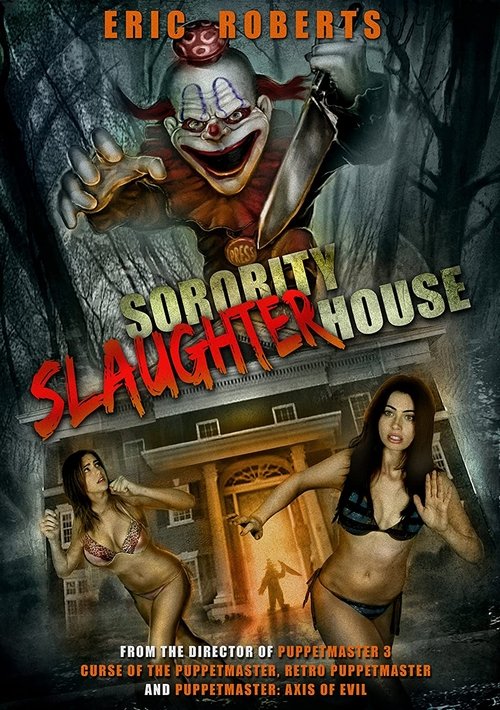
Three sorority girls play a prank on their creepy neighbor, Hugo. He is accidentally shot and killed, but returns to life in order to kill them as human sacrifices in order to grant himself immortality.
1996
1964
2002
2009
2008

2006
2015
1992
No reviews yet. Be the first to share your thoughts on this movie!
Use the rating form above to leave a star rating and optional review.