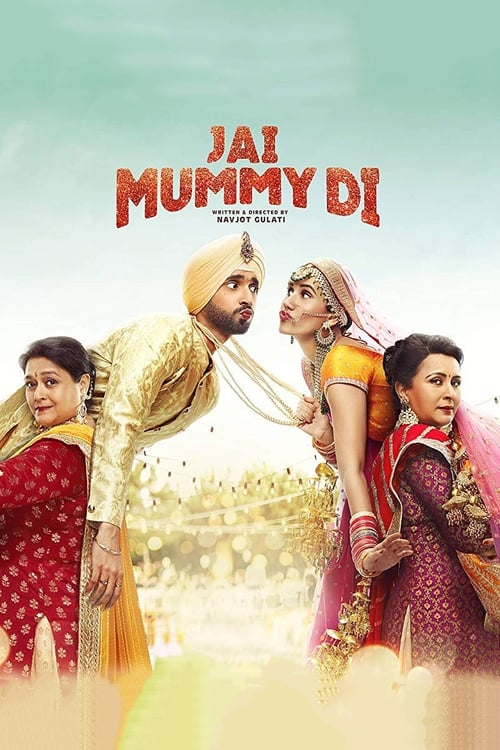
Jai Mummy Di
2020
No user ratings available yet
Representation score: 2.8 out of 10
Representation Score
Good
2010
PG-13Director
Gurinder Chadha
Runtime
100 minutes
Average Rating
No ratings yetNew Showbiz Analysis
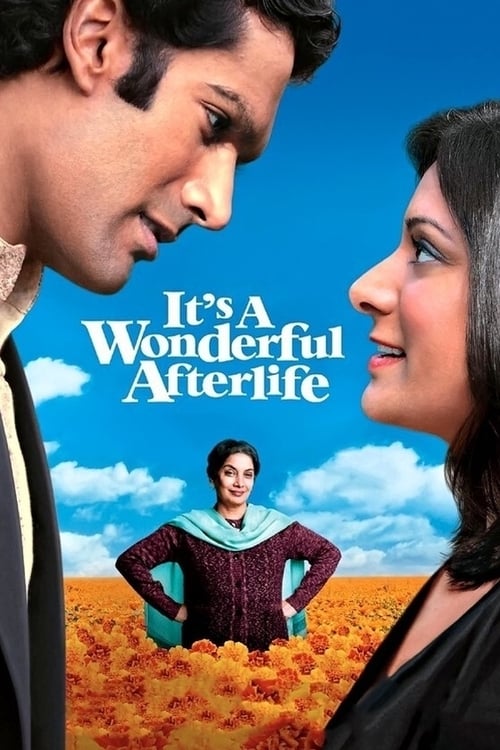
Gurinder Chadha’s direction focuses on the South Asian diaspora, using dark humor to critique rigid social structures. The film highlights an Indian immigrant family, avoiding the usual focus on white families. The narrative subverts traditional gender roles by portraying the mother as a powerful, even violent, figure, challenging the typical nurturing mother archetype.
Category Breakdown
The film does not explicitly mention non-straight relationships or identities within the story.
Mrs. Sethi breaks the traditional mold of a nurturing mother by taking extreme actions, giving her a powerful role in driving the story and challenging typical gender roles.
The story centers around an Indian immigrant family, moving away from white-centric narratives to explore the experiences of South Asian immigrants.
The film uses humor and absurdity to question traditional cultural practices such as arranged marriages and parental authority.
There are no characters with visible or invisible disabilities featured in this film.
Present on Screen
Limited or Absent
Official Synopsis
Indian mother Mrs Sethi's obsession with marrying off her daughter turns murderous. With jokes that routinely miss the mark and cringeworthy slapstick, this black comedy farce shouldn't work. Somehow, though, it does.
2020
2002

2011
2011
2007
2009
2005

2012
No reviews yet. Be the first to share your thoughts on this movie!
Use the rating form above to leave a star rating and optional review.