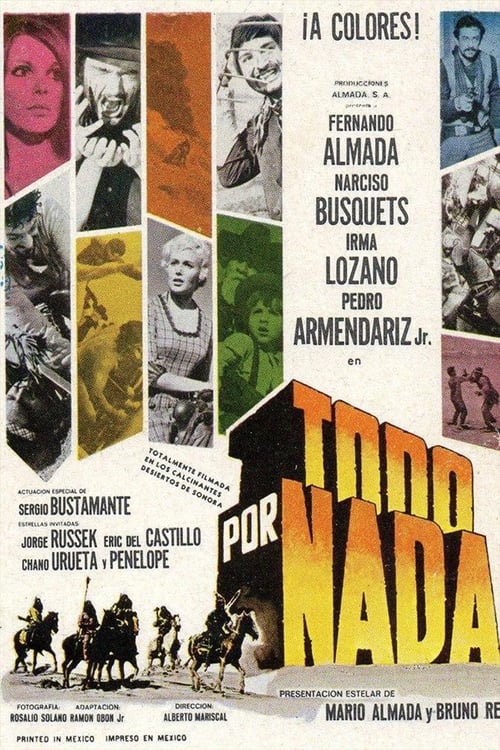
Todo Por Nada
1969
No user ratings available yet
Representation score: 2.6 out of 10
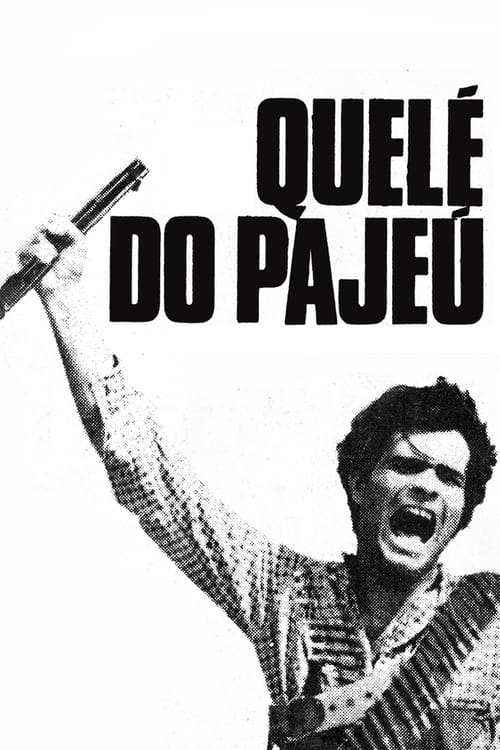
Representation Score
Limited
1969
Director
Anselmo Duarte
Runtime
115 minutes
Average Rating
No ratings yetNew Showbiz Analysis
Anselmo Duarte’s film is a significant piece of regionalist cinema that challenges Western narrative conventions by focusing on the Brazilian Sertão. It offers an authentic portrayal of the rural hinterlands through diverse ethnic casting and a focus on the cangaço movement. However, the film remains limited by the cinematic conventions of its era. It relies heavily on traditional gender hierarchies and lacks any representation of LGBTQ+ identities or characters with disabilities. Ultimately, while the film provides a meaningful look at underrepresented rural classes and their conflict with authority, its reliance on a standard revenge arc restricts its progressive scope.
Category Breakdown
The film follows traditional masculine themes of revenge and honor. It does not include any characters or narratives that challenge the assumption that everyone is straight or cisgender or represent LGBTQ+ identities.
The male protagonist's quest for revenge drives the story. Although a female character's trauma initiates the plot, women are mainly portrayed as victims within traditional hierarchies.
The film features authentic representation by using Afro-Brazilian and mixed-race actors. This accurately reflects the demographic composition of the Brazilian Sertão and its rural populations.
The narrative explores conflicts between outlaws and state power. Traditional religious imagery is used, suggesting the story adheres to conventional folk morality.
There are no prominent depictions of visible or invisible disabilities that serve as central character arcs or plot drivers.
Present on Screen
Limited or Absent
Official Synopsis
A man seeks revenge after his sister get raped by an unknown foreign, identified only by scar and a missing finger. But his payback journey is a long way and bears its surprises.
1969

1964

1965

1967
1971
1971
1981
1975
No reviews yet. Be the first to share your thoughts on this movie!
Use the rating form above to leave a star rating and optional review.