Little Moscow
2008
No user ratings available yet
Representation score: 3.6 out of 10
Representation Score
Fair
2018
RDirector
Paweł Pawlikowski
Runtime
88 minutes
Average Rating
No ratings yetNew Showbiz Analysis
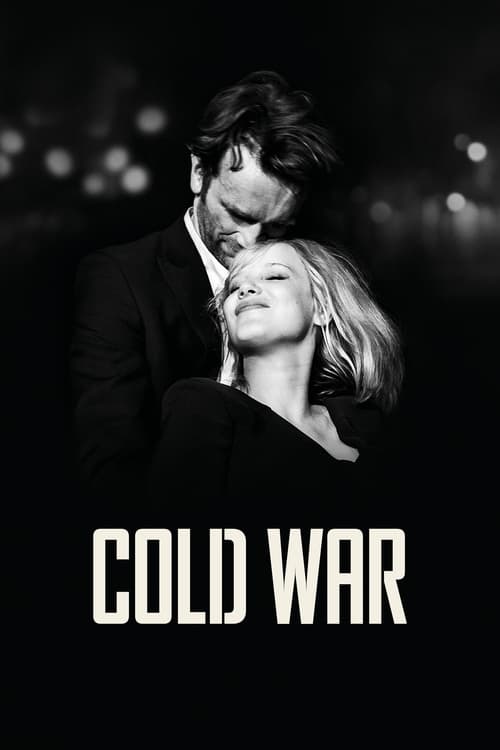
Cold War is a sophisticated historical drama that excels at portraying the tension between individual identity and oppressive structures of the Eastern Bloc. The film's strength lies in its portrayal of systemic power and its critique of totalitarian regimes. It subverts traditional gender hierarchies by giving Zula a significant role in driving the story and independence, while avoiding Westernized clichés by maintaining a localized perspective.
Category Breakdown
The film focuses on a heterosexual relationship between Wiktor and Zula and does not include LGBTQ+ characters or narratives that challenge the assumption that everyone is straight or cisgender.
Zula plays a key role in driving the plot, showing strong independence and taking control of her own life. This contrasts with Wiktor, who often seems intellectually or emotionally paralyzed.
The casting reflects the homogeneous nature of the post-WWII Polish society. However, the film avoids a Western-centric viewpoint by focusing on a non-Anglo-Saxon perspective.
The film critiques how the Stalinist regime uses folk art for political indoctrination. It highlights the corrupting influence of the political system on personal integrity.
The film does not feature characters with visible or invisible disabilities as central plot drivers.
Present on Screen
Limited or Absent
Official Synopsis
A man and a woman meet in the ruins of post-war Poland. With vastly different backgrounds and temperaments, they are fatally mismatched and yet drawn to each other.
2008
1957

2015

1966

2013
2018
1998
2020
No reviews yet. Be the first to share your thoughts on this movie!
Use the rating form above to leave a star rating and optional review.