
Barrio Salvaje
1985
No user ratings available yet
Representation score: 4.0 out of 10
Representation Score
Fair
1991
Director
Christian González
Runtime
88 minutes
Average Rating
No ratings yetNew Showbiz Analysis
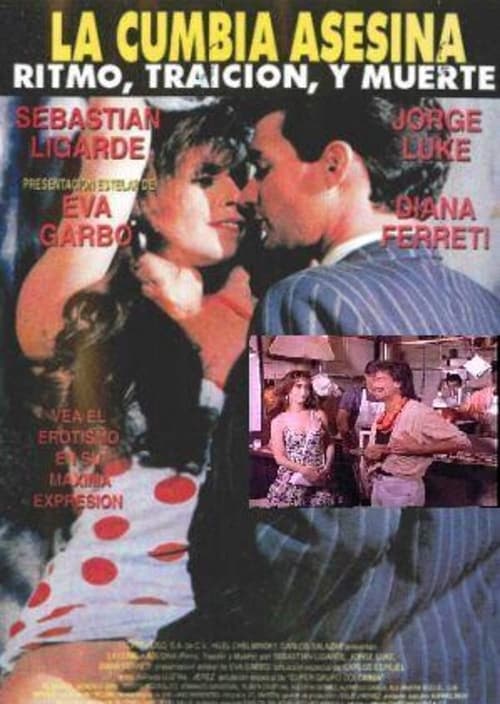
Rhythm, Betrayal and Death: The Killer Cumbia offers a localized, non-Western perspective that challenges traditional authority. Its setting in Mexico City provides a strong foundation for racial and cultural authenticity. However, the film appears heavily reliant on genre clichés. The focus on prostitution and crime suggests that underrepresented groups may be used as background texture rather than developed characters. Ultimately, while the film succeeds in disrupting Western-centric narratives, it lacks the depth required to challenge traditional gender hierarchies or provide meaningful characters who reflect more than one aspect of diversity.
Category Breakdown
The film explores a gritty underworld involving drug dealing and prostitution in Mexico City. However, there are no specific character arcs for individuals who identify as LGBTQ+.
Women appear primarily in the context of prostitution, which is a central element of the setting. These characters often have little control over their own lives and serve mainly as catalysts for male-driven plots.
Set in Mexico City, the film highlights Latin American perspectives and local subcultures such as punks. It disrupts Western-centric action clichés by focusing on local social dynamics.
The film critiques systemic corruption and state institutions by portraying corrupt police. This engages with themes of institutional skepticism and societal oppression.
There are no visible or invisible depictions of disability in the film. The narrative does not include characters with neurodivergent or physical disabilities.
Present on Screen
Limited or Absent
Official Synopsis
Mexico City. Starved Punks & corrupt cops in a world of drugdealing & prostitution.
1985

2000

2006

2011

1995

1974

1986
1999
No reviews yet. Be the first to share your thoughts on this movie!
Use the rating form above to leave a star rating and optional review.