
Red Dog
2011
No user ratings available yet
Diversity score: 2.9 out of 10
2009
RDirector
Kriv Stenders
Runtime
96 minutes
Average Rating
No ratings yetSynopsis
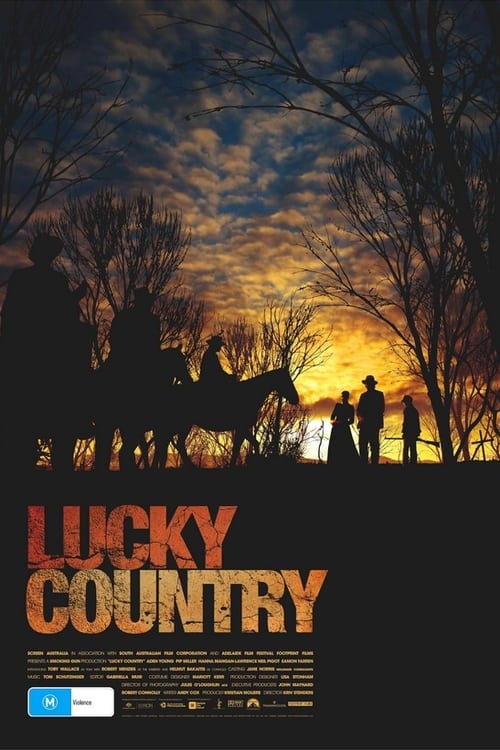
1902....the Australian Federation is a year old. Twelve year-old Tom's father, Nat, has dragged him and his sister, Sarah, to an isolated farm at the edge of the woods. But Nat's dream of living off the land has died and he is losing his grip on sanity. When three ex-soldiers arrive at their cabin one night Tom, like his father, believes they are providence.
Overall Score
Limited
Category Breakdown
LGBTQ+ Representation
The film lacks LGBTQ+ characters or non-heteronormative narratives. It focuses on a traditional nuclear family unit within a 1902 historical setting.
Gender Representation
The plot centers on a patriarchal figure whose psychological decline drives the story. Female characters appear to occupy roles defined by their relationship to the male protagonist.
Racial & Ethnic Diversity
The setting and Western genre tropes suggest a likely adherence to the era's demographic norms. There is no evidence of significant characters of color with high agency.
Religious & Cultural Diversity
The story explores the failure of the pioneer dream and settler-colonial ideals. It focuses on survival and psychological stability rather than systemic critique.
Disability Representation
The protagonist exhibits signs of mental instability. It remains unclear if this is a nuanced depiction of mental health or a standard plot device.
Strengths
Areas for Improvement
AI Analysis
Lucky Country functions as a traditional period drama and Western. The narrative architecture prioritizes individual psychological struggle and historical realism over the disruption of social hierarchies. While the film deconstructs the 'provider' archetype through the father's loss of sanity, it remains rooted in conventional frameworks. The focus on a struggling family unit and ex-soldiers suggests a story centered on survival rather than intersectional identity. Ultimately, the film adheres to the demographic and social norms of its 1902 setting, offering a character-driven study of the human condition rather than a critique of systemic structures.
No reviews yet. Be the first to share your thoughts on this movie!
Use the rating form above to leave a star rating and optional review.