
Home
2016
No user ratings available yet
Representation score: 7.2 out of 10
Representation Score
Good
2020
RDirector
Neil Goss
Runtime
118 minutes
Average Rating
No ratings yetNew Showbiz Analysis
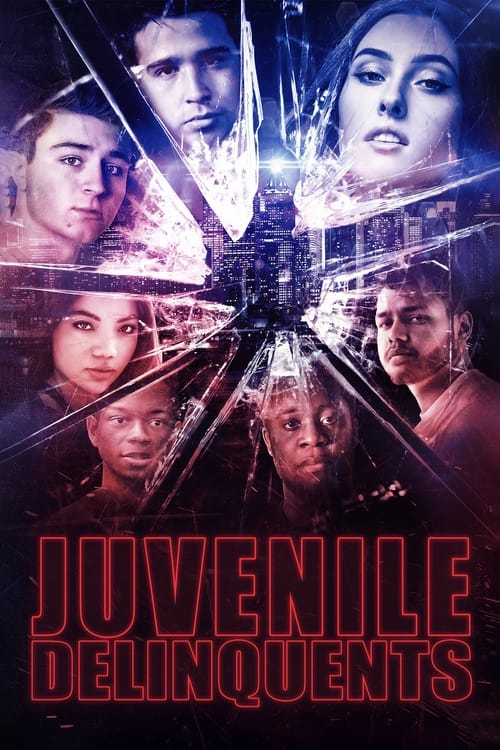
Juvenile Delinquents is a character-driven study of systemic friction and moral relativism. It finds its strength in centering the ability to act of those underrepresented by the carceral state, challenging the efficacy of traditional restorative justice through a lens of survival. The film's narrative architecture focuses on the intersection of socioeconomic destitution and institutional oppression. By framing extrajudicial actions as a response to systemic failure, it disrupts conventional expectations of social order. However, the representation remains somewhat abstract. While the themes suggest a focus on underrepresented groups, the lack of specific character details regarding gendered dynamics or visible disabilities limits a full assessment of its inclusive depth.
Category Breakdown
The film does not explicitly mention LGBTQ+ characters or non-cisgender identities. While it explores dysfunctional family dynamics, there is no evidence of queer narratives.
The story challenges traditional authority by centering teens who reject state-imposed destinies. However, it remains unclear if this disruption extends to specific gendered power dynamics.
Thematic focus on socioeconomic destitution and forced criminality implies a focus on systemic inequality. These motifs often align with the depiction of underrepresented populations.
The film critiques Western legal institutions by portraying them as forces requiring survival strategies. It prioritizes chosen kinship over the traditional nuclear family unit.
The narrative touches on the psychological toll of trauma and gruesomeness. There is no specific evidence of characters with disabilities being afforded meaningful ability to act.
Present on Screen
Limited or Absent
Official Synopsis
Broken teens facing incarceration for a crime they were forced to commit decide not to accept their destitute destiny and go about making a new one by forcing redemption onto bad people. The Juvenile Delinquents form a new dysfunctional family as they maneuver around problems manifesting from their youth, competitiveness, irrationality, and the gruesomeness of their new lives.
2016

2002
2016

2019

2013

2017
2001

1979
No reviews yet. Be the first to share your thoughts on this movie!
Use the rating form above to leave a star rating and optional review.