Terminal Entry
1987
No user ratings available yet
Diversity score: 3.2 out of 10
1998
RDirector
Bernard Salzmann
Runtime
91 minutes
Average Rating
No ratings yetSynopsis
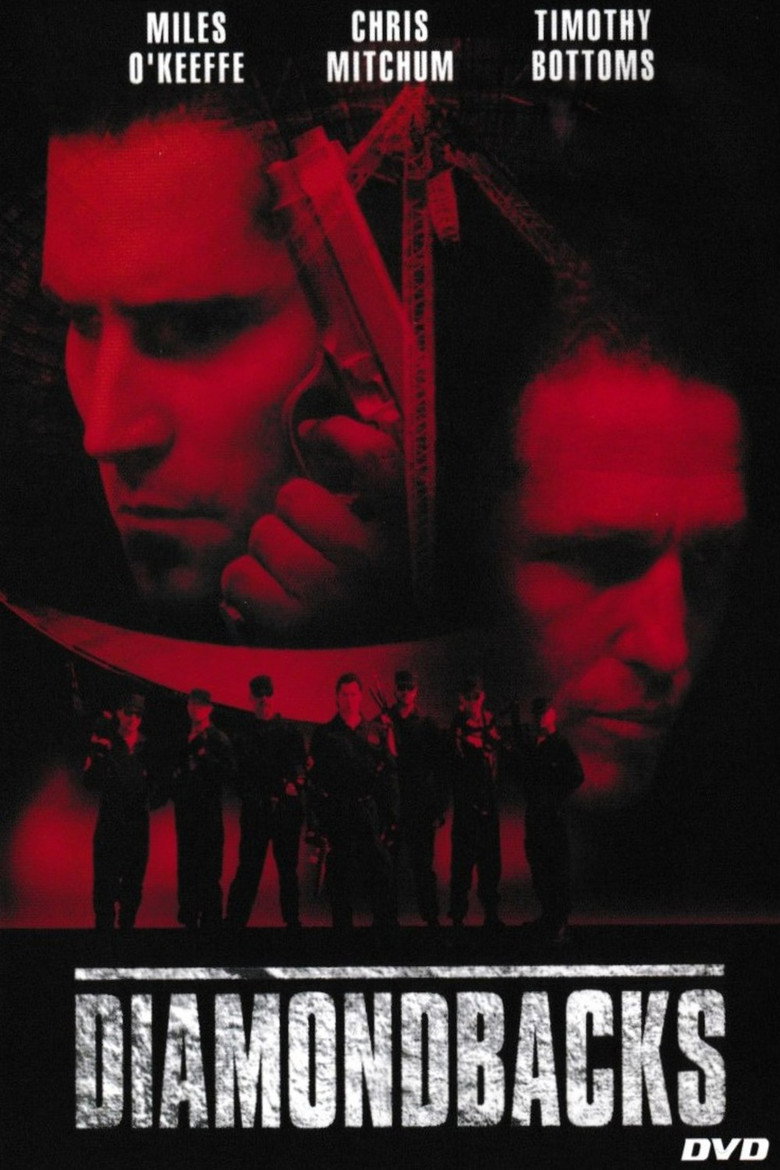
The Diamondback Militia violently opposes certain U.S. policies regarding satellite info. After a lightning attack on a federal courthouse, the militia takes over a space shuttle tracking station. The goal: to take control of a multi-billion dollar communications satellite. Who will save the space shuttle and its crew?
Overall Score
Limited
Category Breakdown
LGBTQ+ Representation
The film lacks explicit evidence of LGBTQ+ characters or non-cisnormative identities. The focus on militia-driven geopolitical conflict suggests a narrative centered on traditional action tropes.
Gender Representation
The high-stakes action setup prioritizes masculine archetypes of combat and tactical leadership. There is no indication of subverted gender hierarchies or non-traditional gender roles.
Racial & Ethnic Diversity
The conflict involves a domestic militia and federal institutions. The film appears to follow standard demographic patterns of late-90s American action cinema without indicating a diverse cast.
Religious & Cultural Diversity
The narrative focuses on a tactical struggle for control over communication assets. It aligns with conventional thriller archetypes rather than a deconstruction of Western social structures.
Disability Representation
There is no evidence that characters with physical or neurodivergent disabilities are central to the plot or utilized as significant narrative elements.
Strengths
Areas for Improvement
AI Analysis
Diamondbacks functions as a standard late-90s action thriller, adhering strictly to the genre's established conventions. The plot centers on a militia's violent opposition to U.S. satellite policies, a framework that favors tactical combat over character-driven social exploration. The film lacks intentionality regarding intersectional storytelling. It relies on traditional narrative architectures that prioritize high-stakes conflict and masculine archetypes, leaving little room for diverse identities or complex social critiques. Ultimately, the production reflects the demographic and thematic patterns common to its era, focusing on geopolitical tension rather than disrupting conventional social hierarchies.
1987

2015
2004

2003

1991
1998
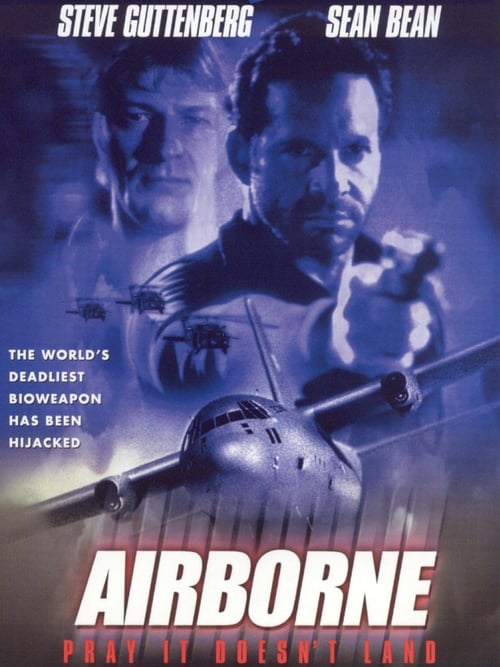
1998

1997

1989

1987

2000

1990
No reviews yet. Be the first to share your thoughts on this movie!
Use the rating form above to leave a star rating and optional review.