
Miracle Landing
1990
No user ratings available yet
Representation score: 5.0 out of 10
Representation Score
Limited
1984
Director
Robert Michael Lewis
Runtime
96 minutes
Average Rating
No ratings yetNew Showbiz Analysis
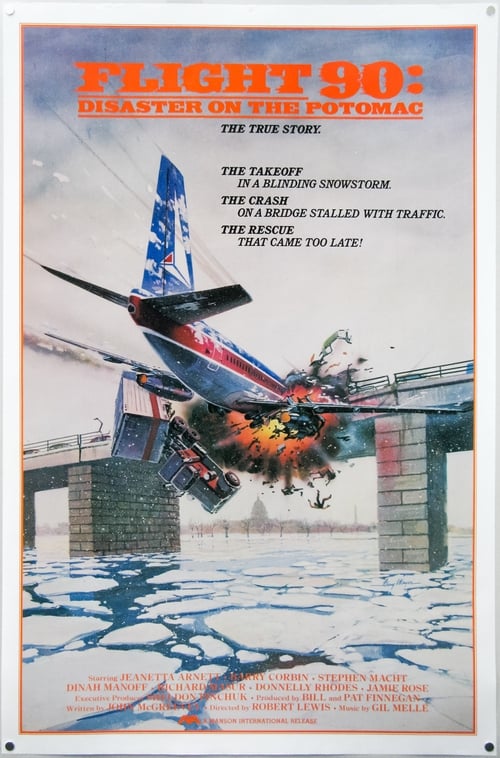
Flight 90: Disaster on the Potomac is a historical docudrama that prioritizes technical fidelity and chronological accuracy over social commentary. The production focuses on the mechanics of the Air Florida Flight 90 crash and the subsequent emergency response. Because the film aims for a realistic recreation of a 1982 event, it mirrors the traditional demographic makeup of that era. It does not utilize storytelling that reflects multiple aspects of identity or attempt to deconstruct social norms through its character arcs. Ultimately, the film serves as a standard historical reconstruction, rooted in realism rather than a vehicle for progressive narrative structure or cultural critique.
Category Breakdown
The film focuses on the technical aspects of the aviation disaster and does not include any LGBTQ+ characters or narratives that challenge the assumption that everyone is straight or cisgender.
The narrative centers on professional roles within the aviation and rescue sectors, reflecting the era's professional realities without actively challenging traditional gender hierarchies.
The story focuses on the main players of the flight and the immediate rescue efforts, adhering to the specific demographic realities of the 1982 event.
The film emphasizes the gravity of the disaster through a realistic, documentary-style lens, avoiding social critique and focusing on systemic aviation failures and human responses to crisis.
While the film depicts physical trauma resulting from the crash, there is no evidence of intentional representation regarding neurodivergence or the actions of characters with disabilities.
Present on Screen
Limited or Absent
Official Synopsis
Flight 90: Disaster on the Potomac is a true story based on the crash of Air Florida flight 90 on January 13, 1982 in Washington D.C. This movie follows the main players throughout the day, with a lot of care taken to re-create what actually went wrong, who died, and who survived. There is a lot of actual footage from the day, as well as accurate representations of aircraft type and airline.
1990

2019
1995

2006
1990
1988
2000
1993
No reviews yet. Be the first to share your thoughts on this movie!
Use the rating form above to leave a star rating and optional review.