
My Summer Prince
2016
No user ratings available yet
Representation score: 1.4 out of 10
Representation Score
Limited
2025
Director
Spanky Dustin Ward
Average Rating
No ratings yetNew Showbiz Analysis
The film opens with the sterile comfort of a wealthy guesthouse, where grief is managed through purchased performance. Spanky Dustin Ward’s 2025 romance sells a tidy moral: money and imagination can cure a child’s sorrow. Lucas Holt, the widower, is the moral center, his wealth treated as a benevolent tool rather than a privilege. He hires Emilia Pratt, a small-town woman, to embody a cartoon princess, reducing her identity to a serviceable prop for his daughter’s recovery. The camera loves the transaction: Emilia’s competence is real, but it is always in service of the Holt family’s emotional equilibrium. The sold meaning is one of traditional restoration. The father’s authority is unchallenged; his solution is logical and funded. Emilia is not a partner in the family but a contractor, her value measured by the child’s smile. The film’s argument is that the nuclear family, backed by capital, is the ultimate healer. There is no critique of the wealth that allows such a hire, nor of the gendered expectation that a woman’s role is to nurture through performance. The ending, implied by the genre and credits, likely sees the child healed and the family reunited, with Emilia’s role neatly concluded. It is a conservative fable where the system works, the father is right, and the woman’s labor is invisible until it is no longer needed. The last image is not a revolution but a return to order, affirming the hierarchy of the wealthy, grieving patriarch as the story’s true hero.
Category Breakdown
No queer characters or same-sex intimacy appear. The romantic focus remains strictly heterosexual between the widower and the hired princess. Identity discussions are absent from the credits and dialogue.
Emilia Pratt acts as a competent young woman, yet her value is framed by healing a child. Lucas Holt retains moral and financial authority. Her agency is contingent on performing femininity for the family’s benefit.
The cast includes Monica Moore Smith and Kazina Maxine, suggesting some non-white presence. However, their narrative weight is unspecified. The core dynamic remains centered on white characters within a wealthy, traditional family structure.
The film treats wealth and familial duty as noble virtues. The widower’s resources solve the emotional crisis, upholding traditional family bonds. The princess fantasy reinforces conventional gender roles and the sanctity of the nuclear family unit.
No characters are depicted with physical, cognitive, or sensory disabilities. Depression is treated as a temporary emotional state resolvable through external intervention. It is not portrayed as a chronic condition requiring ongoing support.
Present on Screen
Limited or Absent
Official Synopsis
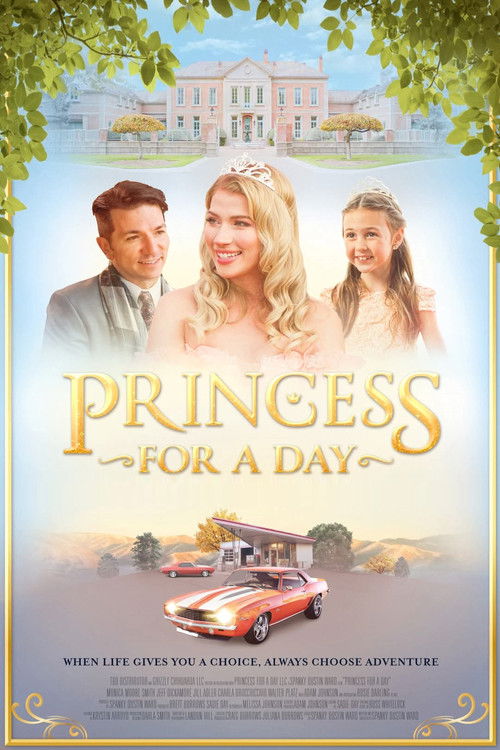
A wealthy widower hires a small-town girl to live in his guesthouse and pretend to be a famous cartoon princess, in order to draw his little girl out of a deep depression, caused by the death of her mother.
2016

2011

2011

2011

2014

1994

2014

2005
No reviews yet. Be the first to share your thoughts on this movie!
Use the rating form above to leave a star rating and optional review.