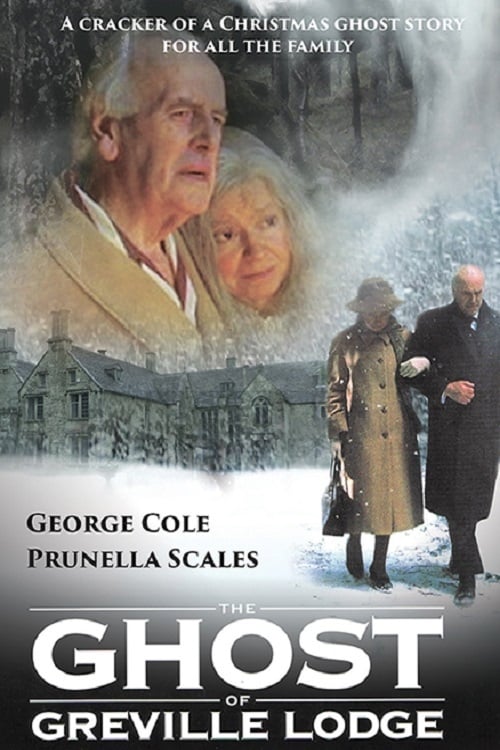
The Ghost of Greville Lodge
2000
No user ratings available yet
Representation score: 1.8 out of 10
Representation Score
Limited
2001
TV-GDirector
Michael M. Robin
Runtime
86 minutes
Average Rating
No ratings yetNew Showbiz Analysis
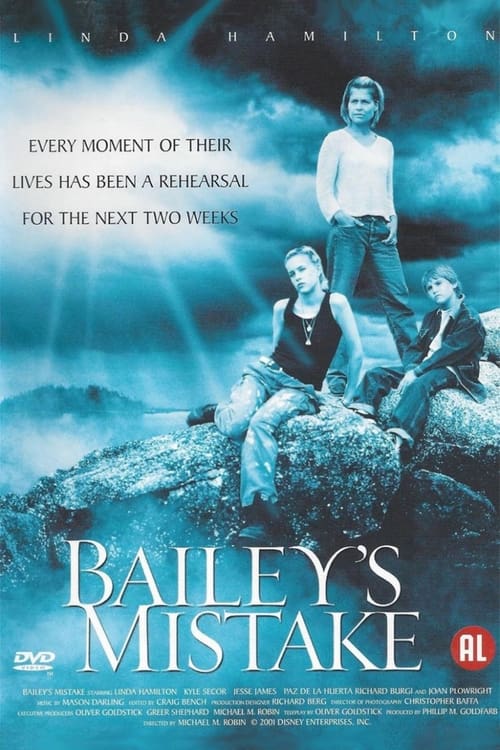
Bailey's Mistake is a traditional family drama that relies heavily on well-established television clichés. While it centers around a female protagonist, the narrative structure remains firmly rooted in conventional domestic struggles rather than systemic challenges. The film's diversity is limited by its focus on a traditional widow-and-children dynamic. The lack of clear evidence regarding racial depth or LGBTQ+ presence suggests a production aimed at broad, mainstream appeal rather than multi-layered representation. Ultimately, the work provides a central female perspective but does not significantly address or challenge social hierarchies or underrepresented groups.
Category Breakdown
The film does not include explicit LGBTQ+ characters or stories. It focuses on a widow and her children, maintaining a traditional family structure.
Liz Donovan is the main female character, but she is shown as being controlled by patriarchal structures rather than challenging gender roles.
The film is set on a New England island with eccentric locals, but there is no clear indication of diverse racial backgrounds among the characters. The casting is not clearly defined in terms of ethnicity.
The story follows a typical fish-out-of-water scenario focused on domestic conflict. It does not deeply explore or challenge social or religious institutions.
The film does not feature any characters dealing with physical disabilities, neurodivergence, or mental health issues. There is no information about disability representation.
Present on Screen
Limited or Absent
Official Synopsis
"Bailey's Mistake" is the name of a cold, dreary island that a bitter widow finds herself stuck on. Seems Liz Donovan got cut out of her husband's will because he'd secretly spent all his money on a New England island. Kids in tow, Liz discovers spooky secrets while getting to know the eccentric natives.
2000
2008
1996
1998

1984
2003
2016
2012
No reviews yet. Be the first to share your thoughts on this movie!
Use the rating form above to leave a star rating and optional review.