
When the Mist Clears
2022
No user ratings available yet
Representation score: 6.3 out of 10
Representation Score
Minimal
1957
Director
Maurice Delbez, André Haguet
Runtime
104 minutes
Average Rating
No ratings yetNew Showbiz Analysis
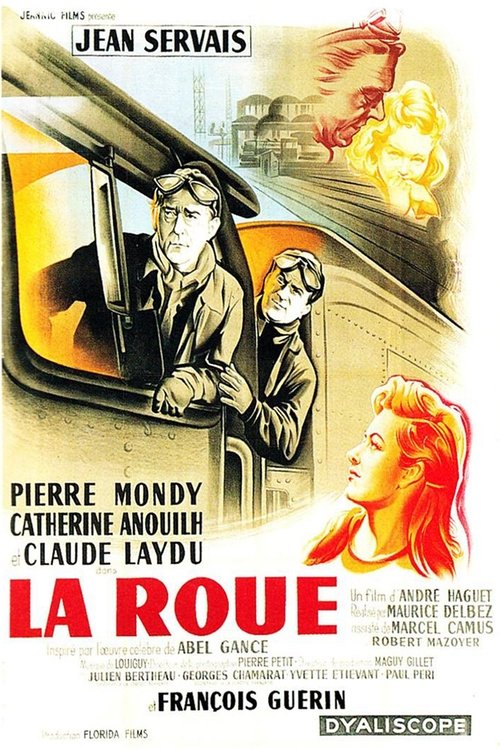
The film opens on the rigid, industrial order of the French railway, where the whistle is the law and the engine is the god. Pierre Pelletier, a weary but competent driver, embodies the post-war ideal of the male provider: he fixes signals, manages crises, and ultimately decides the fate of a child. The sold meaning is one of restoration through male duty. When Pierre adopts the orphaned girl, he is not just being kind; he is repairing a broken social contract. The camera loves his competence, framing his decisions as the only sane response to chaos. The argument is simple: the traditional family and the industrial workforce are the anchors of a fractured world. Pierre’s wife, Marcelle, accepts the adoption without protest, her role defined by her support of his decision. The girl, Norma, is a blank slate, a symbol of the future that Pierre can shape. There is no friction, no challenge to his authority. The film’s internal logic is unbroken: the man who works hard and follows rules is rewarded with a family. The ending settles this moral verdict. The train departs, the family is whole, and the order is restored. The last image is not of the child’s joy, but of the machinery moving forward, driven by the man who controls it. The film does not question the hierarchy; it celebrates it. The "other" (the orphan) is absorbed into the "normal" (the family) without cost. It is a quiet, competent hymn to the 1950s French ideal: the man who works, the woman who supports, and the child who belongs.
Category Breakdown
No queer characters or same-sex intimacy appear. The narrative relies exclusively on heterosexual bonds and familial structures. The 1957 setting offers no space for non-binary or alternative identities.
Pierre Pelletier is the sole competent authority, managing railway crises and household logistics. Women serve as emotional anchors; Norma fills a maternal void, while Marcelle passively accepts the male decision-making structure without challenge.
The cast is entirely white French. The orphan’s refugee origin is the only otherness, quickly assimilated into the family unit. No non-white characters hold power, depth, or distinct cultural identity on screen.
The film treats the railway workforce and nuclear family as stable, heroic institutions. Pierre’s duty and adoption are framed as moral virtues. The war serves as a backdrop for duty, not a critique of state hierarchy.
No characters have visible or mentioned disabilities. The orphan’s fever is a temporary plot device, not a representation of ongoing impaired life or identity. No impairment narratives exist.
Present on Screen
Limited or Absent
Official Synopsis
Pierre is an engine driver who adopts a small girl, a WWI orphan. A widower, he sees in her the image of her mother.
2022

2019

1986

2020

2020

2008

1986

2007
No reviews yet. Be the first to share your thoughts on this movie!
Use the rating form above to leave a star rating and optional review.