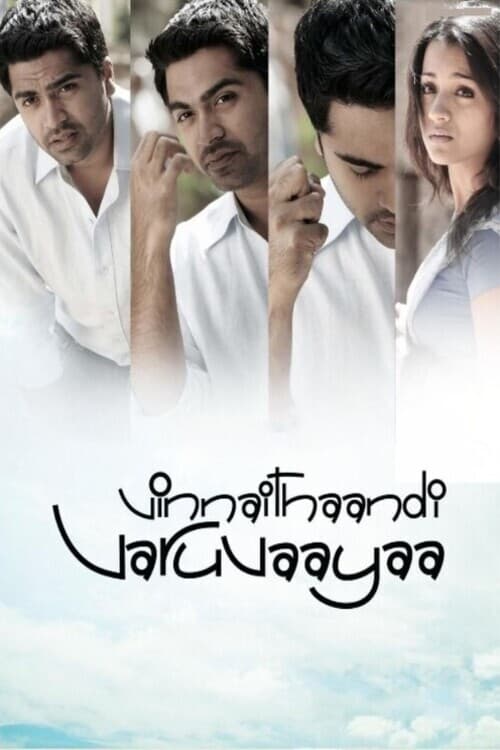
Vinnaithaandi Varuvaayaa
2010
No user ratings available yet
Representation score: 3.6 out of 10

Representation Score
Good
2015
Director
Martin Prakkat
Runtime
130 minutes
Average Rating
No ratings yetNew Showbiz Analysis
Charlie succeeds in challenging traditional gender hierarchies by centering the story on a female protagonist's active pursuit. Tessa is an investigator rather than a passive romantic interest, which provides a refreshing shift in her role. The film also offers a meaningful cultural critique of settled, capitalist existence. By romanticizing a nomadic lifestyle, it challenges the necessity of permanent domesticity and traditional career-driven identities. However, the film remains limited by its assumption that everyone is straight or cisgender and lacks multi-layered depth. It misses opportunities to include LGBTQ+ narratives or address disability, keeping the social scope relatively narrow.
Category Breakdown
The film operates within a conventional framework that assumes everyone is straight or cisgender. While it celebrates unconventional lifestyles, it lacks explicit LGBTQ+ characters or narratives that challenge the assumption of heterosexuality through queer identity.
Tessa serves as the primary driver of the plot, playing a significant role in driving the story. She plays a significant role in driving the story as an investigator, emphasizing her intellectual and emotional autonomy over traditional domestic roles.
The story provides an authentic portrayal of the Kerala middle class. It functions as a localized character study rather than a platform for exploring multiple aspects of racial identity.
The film challenges materialistic stability by elevating a bohemian, nomadic lifestyle. It deconstructs standard societal milestones by prioritizing personal freedom over institutional structures.
The narrative lacks a significant focus on visible or invisible disabilities. Characters are depicted within a standard range of physical and neurotypical functionality.
Present on Screen
Limited or Absent
Official Synopsis
A young, nonconforming woman named Tessa gets entangled in a cat-and-mouse chase in the by-lanes of Kerala, hunting for a mysterious artist who previously lived in her apartment.
2010

2022

2017
2024

2018
2015
2015

2020
No reviews yet. Be the first to share your thoughts on this movie!
Use the rating form above to leave a star rating and optional review.