
Money Shot
2012
No user ratings available yet
Diversity score: 3.3 out of 10
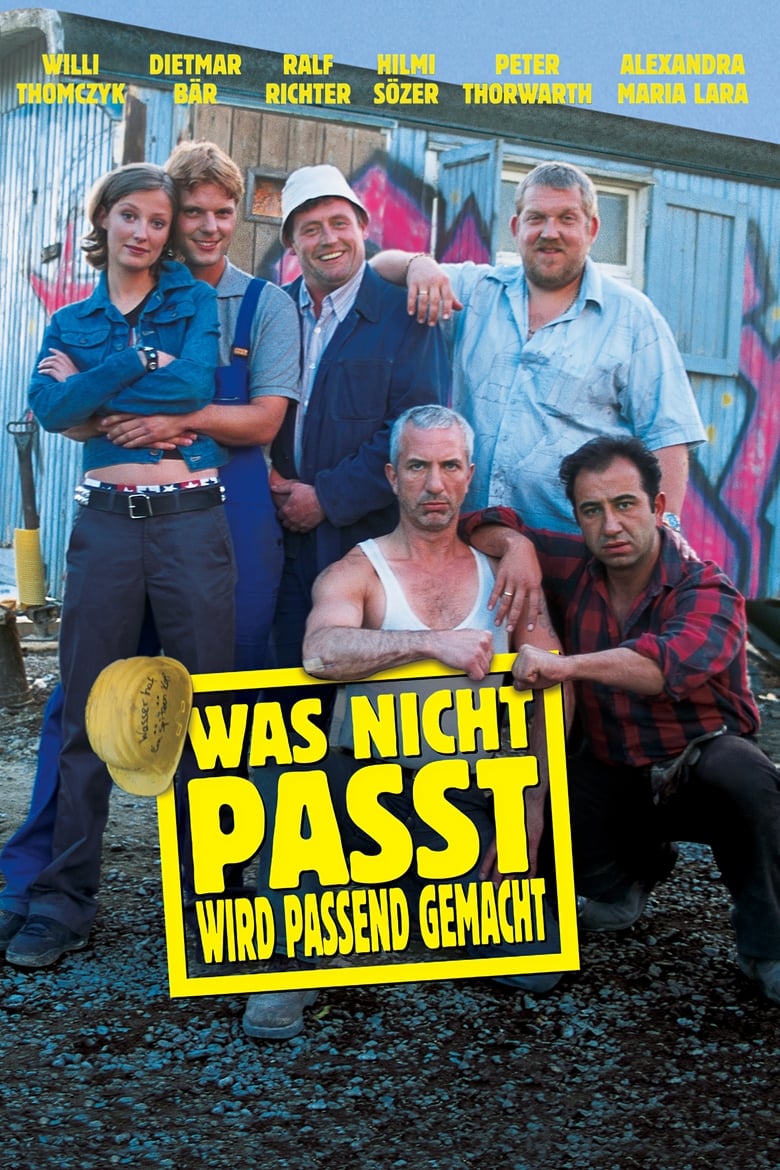
2002
Director
Peter Thorwarth
Runtime
101 minutes
Average Rating
No ratings yetSynopsis
Frustrated with their lazy new intern, a trio of offbeat builders decide to teach him a lesson with a series of escalating pranks.
Overall Score
Limited
Category Breakdown
LGBTQ+ Representation
The film lacks any mention of non-heteronormative identities or same-sex intimacy. It appears to occupy a conventional comedic space without exploring queer themes.
Gender Representation
The narrative centers on a trio of builders and an intern. While genders aren't explicitly defined, the manual labor setting suggests traditional masculine dynamics without subverting gender hierarchies.
Racial & Ethnic Diversity
The setting suggests a localized, potentially homogeneous workplace. There is no evidence of a diverse cast or the inclusion of varied ethnic backgrounds.
Religious & Cultural Diversity
The plot focuses on social retribution and group cohesion through pranks. It does not appear to interrogate Western institutions or promote specific secular or religious critiques.
Disability Representation
There is no information regarding the inclusion of neurodivergent characters or individuals with physical disabilities.
Strengths
Areas for Improvement
AI Analysis
This comedy relies on standard character archetypes and situational humor centered on workplace friction. The plot follows a trio of builders pranking a lazy intern, prioritizing slapstick tropes over social commentary. The film lacks intentionality regarding intersectional representation. It functions as a conventional situational comedy rather than a work designed to disrupt traditional social hierarchies or explore identity politics. Overall, the narrative architecture is built around interpersonal conflict and traditional comedic structures, offering little in the way of progressive social deconstruction.
2012

2009

2016
2009

2005
2000

2006

1999

2011
2004
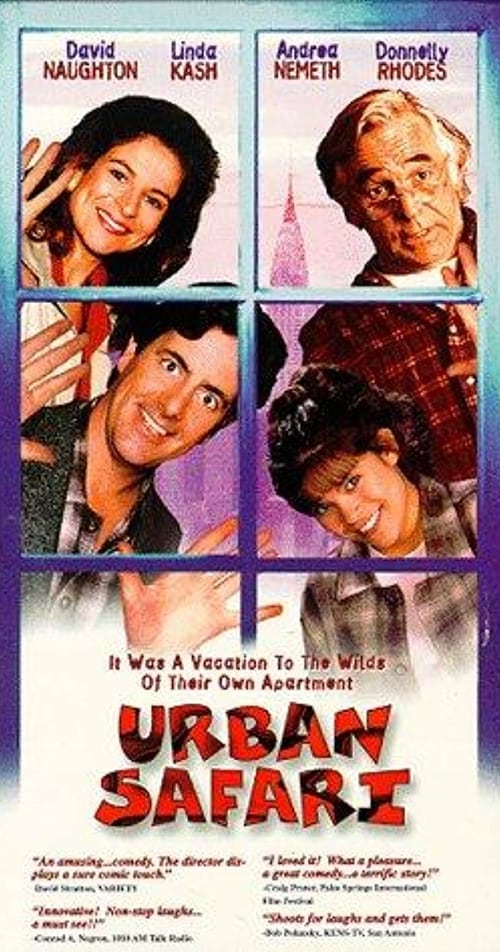
1995
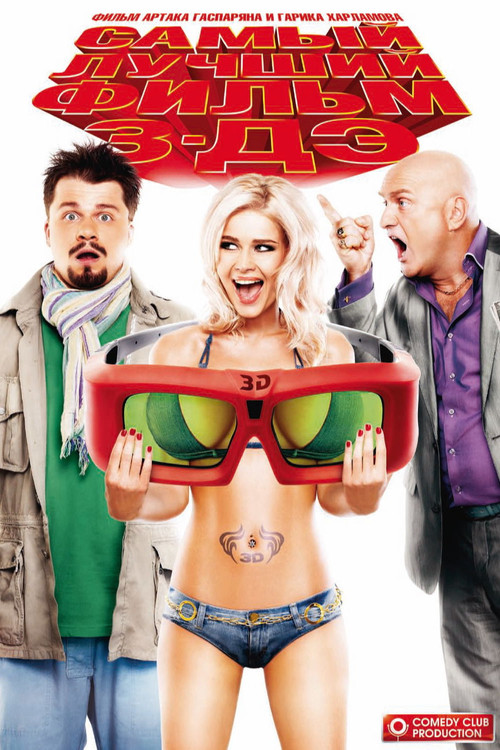
2011
No reviews yet. Be the first to share your thoughts on this movie!
Use the rating form above to leave a star rating and optional review.