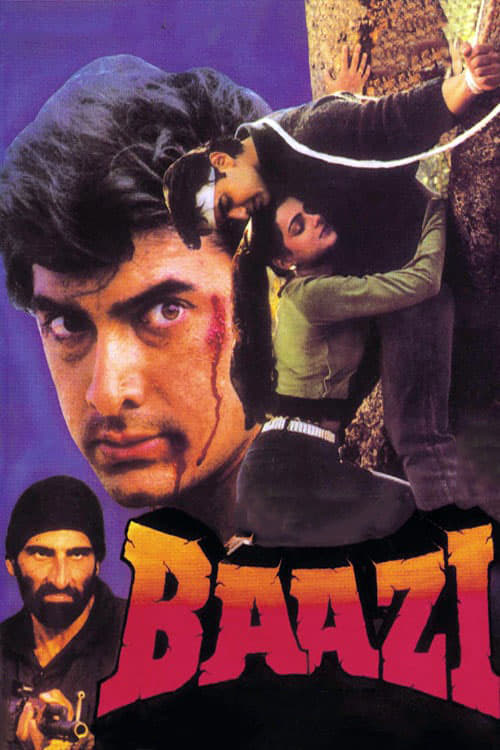
Baazi
1995
No user ratings available yet
Representation score: 3.9 out of 10
Representation Score
Limited
1996
Not RatedDirector
Gulzar
Runtime
160 minutes
Average Rating
No ratings yetNew Showbiz Analysis
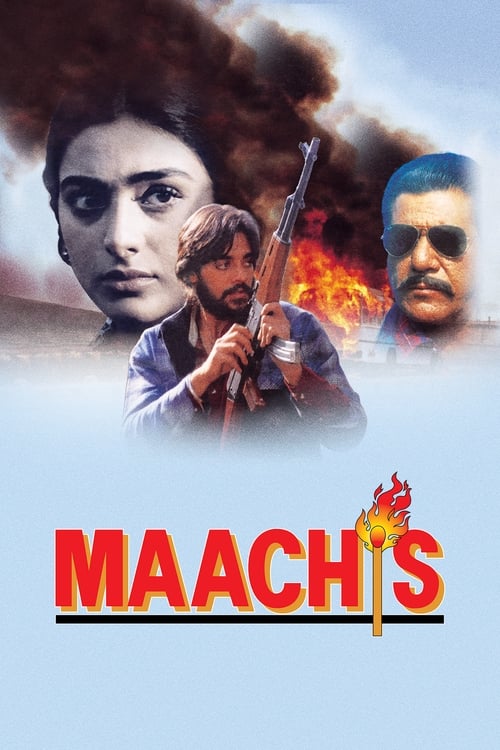
Maachis is a sophisticated work of cinematic realism that prioritizes socio-political commentary over traditional heroic clichés. It succeeds by deconstructing the relationship between the state and its citizens, framing social unrest as a result of institutional failure rather than individual malice. While the film is progressive in its critique of political authority and its rejection of binary morality, it remains limited by its adherence to traditional gender hierarchies. The focus remains heavily on masculine-coded struggles for political ability to act. Ultimately, the film provides a profound commentary on identity and statehood in a post-colonial landscape, using a localized Punjabi perspective to challenge broader national narratives.
Category Breakdown
The film does not include any LGBTQ+ characters or narratives. The social landscape is strictly aligned with the conventional structures of the period.
The story focuses on the male experience of radicalization and political disillusionment. Female characters are primarily portrayed in domestic roles such as mothers, sisters, or romantic interests.
The narrative explores regional identity by centering the Punjabi experience. It challenges homogenized depictions of national identity by focusing on specific socio-political fractures.
The film effectively critiques established power structures and the state apparatus. It uses moral relativism to examine the gray areas of political violence and systemic failure.
There are no significant depictions of visible or invisible disabilities within the main storyline.
Present on Screen
Limited or Absent
Official Synopsis
A realistic, hard-hitting portrayal of terrorism and youth in the Punjab after the 1984 riots.
1995

1999
2003
2014
1994
2004
1996

2013
No reviews yet. Be the first to share your thoughts on this movie!
Use the rating form above to leave a star rating and optional review.