Le fil d'Ariane
2012
No user ratings available yet
Representation score: 5.7 out of 10
Representation Score
Limited
2019
Director
Marilou Berry
Runtime
83 minutes
Average Rating
No ratings yetNew Showbiz Analysis
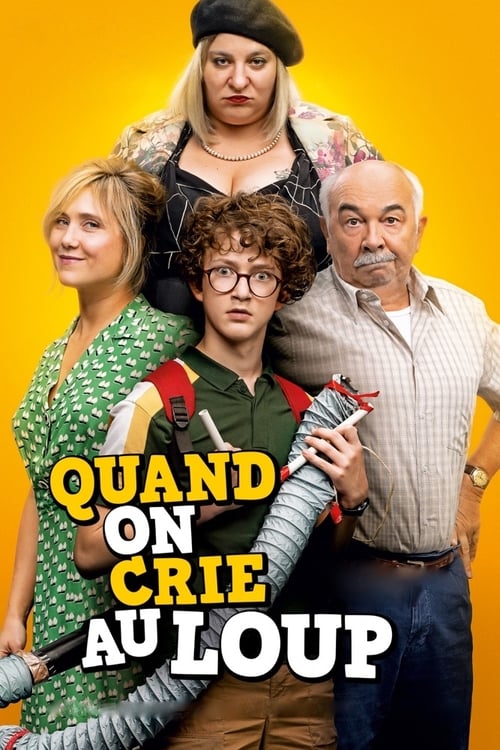
Quand on crie au loup operates within a conventional comedic framework that prioritizes character-driven social dynamics over challenging established social hierarchies. While the ensemble offers a modern distribution of gender and some ethnic plurality, the film does not use these elements to challenge traditional norms. The narrative structure remains traditional, lacking the intentionality needed to center queer identities or disability representation. Instead, it focuses on standard comedic structures typical of the genre. Ultimately, the film provides a moderate level of representation reflecting contemporary European cinema without actively disrupting demographic norms.
Category Breakdown
The film does not include explicit LGBTQ+ character arcs or non-cisgender identities. It follows traditional comedic clichés without centering queer perspectives.
The film features a balanced female presence through prominent roles played by Marilou Berry and Bérengère Krief. However, the gendered roles follow standard distributions common in French comedies.
The ensemble includes Lya Oussadit-Lessert, adding some ethnic plurality. The production does not prioritize non-majority casts to disrupt conventional demographic expectations for the genre.
The comedy relies on the deconstruction of social norms through situational ethics. It does not frame traditional institutions as inherently oppressive or provide overt institutional critiques.
There is no evidence of characters with visible or invisible disabilities being central to the story or serving as plot devices.
Present on Screen
Limited or Absent
2012
2011
2022
2002
2015
2019

2018
2020
No reviews yet. Be the first to share your thoughts on this movie!
Use the rating form above to leave a star rating and optional review.