Framed by My Husband
2021
No user ratings available yet
Representation score: 1.8 out of 10
Representation Score
Limited
2004
TV-MADirector
Jason Hreno
Runtime
86 minutes
Average Rating
No ratings yetNew Showbiz Analysis
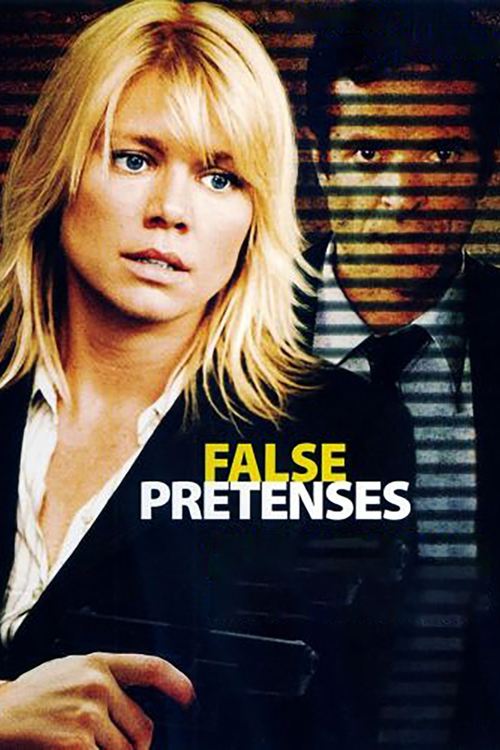
False Pretenses is a character-driven psychological thriller that prioritizes individual trauma over systemic social commentary. While the protagonist breaks the 'passive victim' mold through her calculated revenge, the film remains firmly rooted in conventional genre expectations. The narrative focuses on the disruption of a singular domestic unit, avoiding broader cultural or social exploration. The film utilizes traditional feminine archetypes and maintains a narrow, homogeneous focus that avoids broader cultural or social exploration.
Category Breakdown
The film focuses on a heterosexual conflict involving a housewife, her husband, and a male con artist. There are no LGBTQ+ characters or non-cisgender identities.
Diane transitions from a passive victim to an active strategist, demonstrating ability to act. However, her revenge relies on traditional feminine archetypes like seduction and physical transformation.
The Texas setting and interpersonal drama suggest a homogeneous environment. There is no evidence of diverse casting or efforts to disrupt Anglo-centric norms.
The story explores skepticism toward official justice channels. This appears to be a genre cliché rather than a systemic critique of social or religious structures.
No visible or invisible disabilities are portrayed as central to the character arcs or the plot progression.
Present on Screen
Limited or Absent
Official Synopsis
Falling victim to a glib con artist named Michael (Stewart Bick), Texas housewife Diane (Peta Wilson) loses all her money, a disaster that drives her husband Randal (Anthony Lemke) to suicide. Unable to get justice through the official channels, Diane mounts her own plan of revenge. This involves assuming a new identity, trading in her blonde tresses for a redheaded "do", moving to a small town, and systematically seducing the man who ruined her life. One of six "no frills" TV movies produced in Canada for the Lifetime cable network at a flat cost of 2 million each,
2021

1987

1992
2007
2005
2022

2005
2000
No reviews yet. Be the first to share your thoughts on this movie!
Use the rating form above to leave a star rating and optional review.