
Joe's War
2017
No user ratings available yet
Representation score: 5.2 out of 10
Representation Score
Fair
2026
Director
Shinya Tsukamoto
Runtime
116 minutes
Average Rating
No ratings yetNew Showbiz Analysis
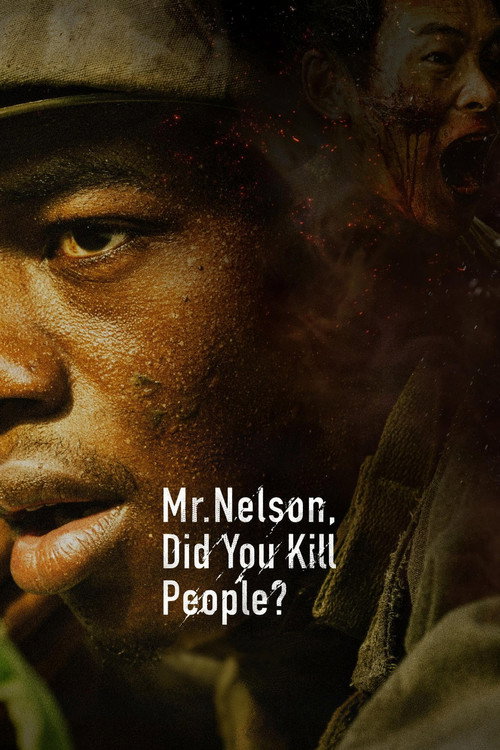
The film opens on a man living in squalor, his mind fractured by the noise of a war that never ended. Shinya Tsukamoto’s *Mr. Nelson, Did You Kill People?* is a stark examination of the psychological wreckage left by the Vietnam War, following Allen Nelson from the streets to a therapeutic relationship with Dr. Daniels. The sold meaning is clear: the U.S. military is a machine that grinds down the individual, and the state’s response—VA counseling—is a band-aid on a gaping wound. The film does not shy away from the brutality of the era, depicting the dehumanization of Vietnamese locals and the indiscriminate nature of the combat. However, the narrative structure creates a tension between its anti-war thesis and its traditional framing. While the film critiques the institution, it ultimately resolves the trauma through a conventional domestic framework: Allen finds stability with his wife Linda and stepson Sean. The camera loves the quiet, the family unit, and the slow, painful process of integration. This is not a radical inversion of the veteran’s return home; it is a melancholic acceptance that the damage is permanent, but the family is the only available shelter. The ending is not a triumph of justice, but a quiet surrender to the reality of a life lived in the shadow of what was done. The film’s argument is that the war did not just kill people; it killed the self, and the only cure is to learn to live with the ghost.
Category Breakdown
No queer characters or intimacy appear. The narrative tracks heterosexual pairings and familial bonds within the veteran’s life exclusively.
Linda Nelson stabilizes the domestic sphere while men occupy active roles as soldier, doctor, or abuser. Women serve primarily as support figures for the male trauma arc.
The cast includes Tatyana Ali and Lily Franky, reflecting the multinational production. The plot explicitly addresses the dehumanization of Vietnamese locals and U.S. military racial dynamics.
The film critiques the U.S. military-industrial complex, depicting institutional violence and PTSD as societal failure. It frames national service as a source of deep psychological and ethical trauma.
Allen Nelson’s severe PTSD is the central focus, depicted as a lasting impairment dictating his daily reality. The film treats his condition with sustained seriousness, avoiding quick fixes or inspirational cures.
Present on Screen
Limited or Absent
Official Synopsis
Vietnam veteran Allen Nelson returns with severe PTSD, winding up on the streets before crossing paths with Dr. Daniels of the Veterans Affairs who sets about trying to help him.
2017

1994

2013

2019

2006

1989
1974

1984
No reviews yet. Be the first to share your thoughts on this movie!
Use the rating form above to leave a star rating and optional review.