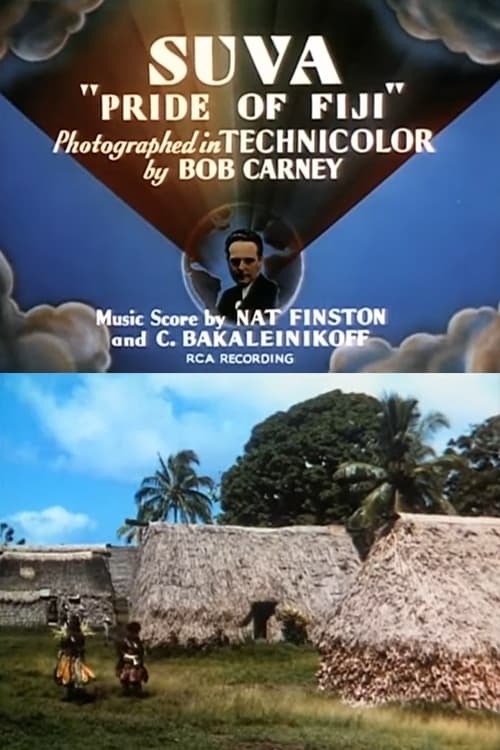
Suva: 'Pride of Fiji'
1940
No user ratings available yet
Representation score: 1.1 out of 10
No Poster Available
Representation Score
Fair
1977
Director
Dennis O'Rourke
Runtime
54 minutes
Average Rating
No ratings yetNew Showbiz Analysis
Yumi Yet is a powerful ethnographic study that disrupts traditional historical narratives by juxtaposing political pageantry with local lived realities. Its greatest strength lies in its decolonial approach, effectively centering the ability to act of the Papua New Guinea population during a pivotal moment of self-determination. While the film provides a nuanced critique of Western hegemony and its disruption of traditional social stability, it lacks representation in specific identity categories. The absence of LGBTQ+ narratives and disability-focused content limits its breadth despite its strong cultural framework. Ultimately, the documentary succeeds as a study of sovereignty and post-colonial identity. It moves beyond the observer cliché to examine the friction between inherited colonial structures and indigenous social autonomy.
Category Breakdown
The film focuses on sociopolitical shifts and traditional communal structures. There are no discernible LGBTQ+ characters or narratives addressing non-straight relationships.
The narrative highlights tensions between patriarchal structures and emerging individual empowerment. It provides insight into how shifting paradigms allow women to navigate and question historical gender hierarchies.
The documentary excels by centering non-Western perspectives and indigenous experiences. It functions as a decolonial text that prioritizes local ability to act over the Eurocentric lens of departing colonial powers.
The film offers a sophisticated critique of Western-style modernity and its impact on communal cohesion. It prioritizes indigenous social logic over Western individualistic or capitalist ideals.
There are no specific depictions of disability, visible or invisible, that serve as central narrative elements within the film.
Present on Screen
Limited or Absent
Official Synopsis
Documents Independence Day of Papua New Guinea on September 16, 1975, comparing the pageantry of local celebrations with the official ceremony in the capital. Also provides historical background about the area's 19th-century colonization by Holland, Germany, and Great Britain.
1940

2012

2015
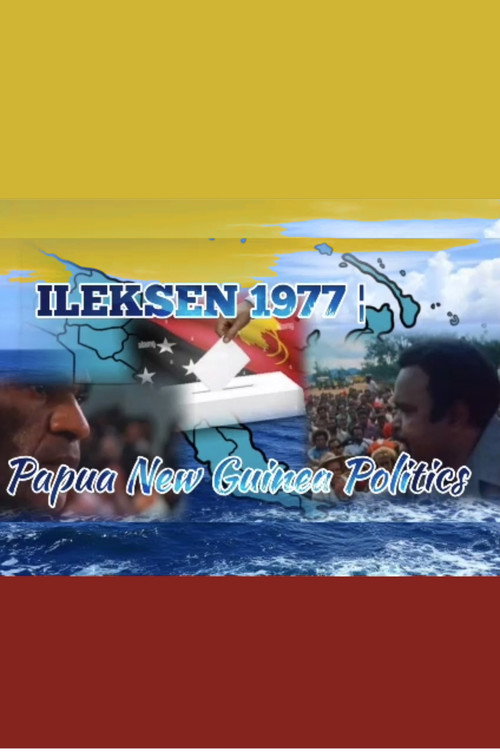
1978
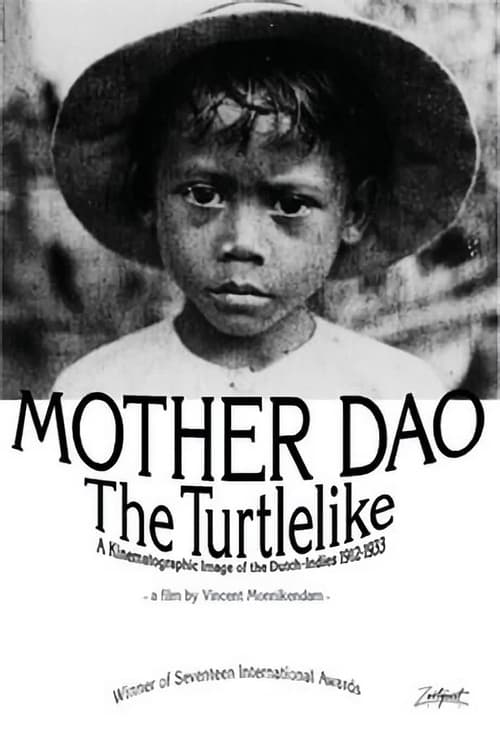
1995
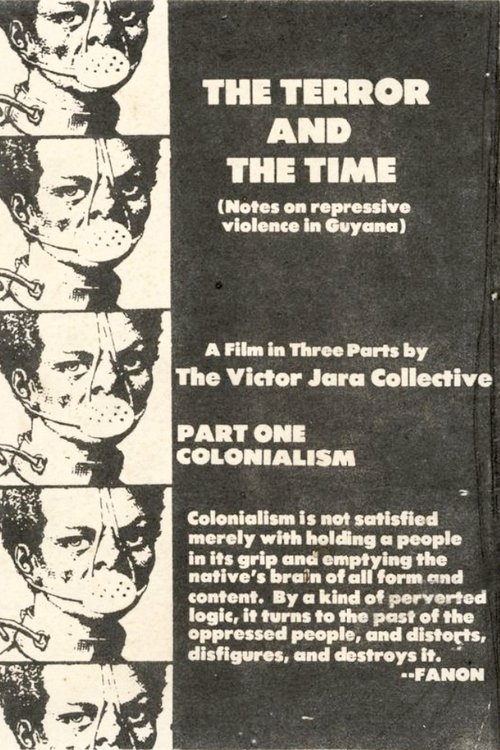
1978
1993
1946
No reviews yet. Be the first to share your thoughts on this movie!
Use the rating form above to leave a star rating and optional review.