
Love for Sale
2006
No user ratings available yet
Diversity score: 7.7 out of 10
2002
UnratedDirector
Karim Aïnouz
Runtime
105 minutes
Average Rating
No ratings yetSynopsis
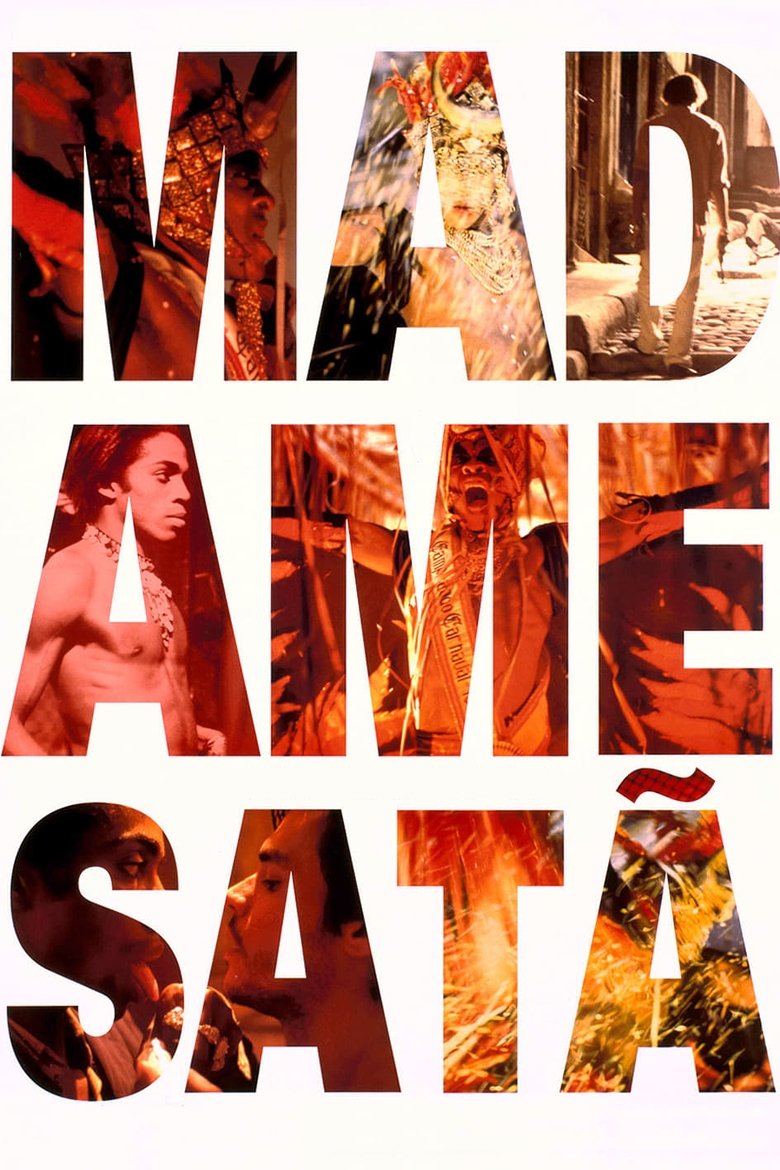
In the favelas of Rio de Janeiro of the 1930s, João Francisco dos Santos is several things — son of slaves, ex-convict, thug, homosexual and adopted father for a number of pariahs. João expresses himself on the stage of a cabaret as Madame Satã.
Overall Score
Excellent
Category Breakdown
LGBTQ+ Representation
The film centers on a non-heteronormative existence, moving far beyond mere tokenism. Through the protagonist's persona, the story explores gender fluidity and the reclamation of agency. Same-sex intimacy is depicted as a vital, lived reality.
Gender Representation
The narrative actively disrupts conventional masculinity within a violent, patriarchal landscape. By juxtaposing underworld violence with non-traditional gender presentation, the film effectively subverts the rigid binaries of 1930s Rio de Janeiro.
Racial & Ethnic Diversity
A Black protagonist is granted significant agency while navigating Brazil's stratified socioeconomic landscape. The film avoids a white gaze, using the protagonist's lineage to examine the intersection of race, class, and survival.
Religious & Cultural Diversity
The story prioritizes personal truth over institutional morality, framing the protagonist's friction with state authority as a necessary response to systemic marginalization. It celebrates social rebellion against oppressive legal structures.
Disability Representation
The film explores the psychological and physical tolls of a violent lifestyle. However, there is no evidence of specific visible or invisible disabilities serving as central plot drivers.
Strengths
Areas for Improvement
AI Analysis
Madame Satã is a masterclass in intersectional storytelling. It weaves together racial, sexual, and gendered identities to create a cohesive narrative that challenges traditional social hierarchies. The film refuses to sanitize the protagonist's life, instead framing his defiance as a form of empowerment. By centering a Black, queer protagonist in 1930s Rio, the film provides a rare and necessary critique of historical power structures. It successfully moves the conversation from mere representation to a deep, sophisticated exploration of identity and survival.
No reviews yet. Be the first to share your thoughts on this movie!
Use the rating form above to leave a star rating and optional review.