
Hold Back the Night
1999
No user ratings available yet
Representation score: 8.0 out of 10
Representation Score
Excellent
2001
Not RatedDirector
Jamie Babbit
Runtime
7 minutes
Average Rating
No ratings yetNew Showbiz Analysis
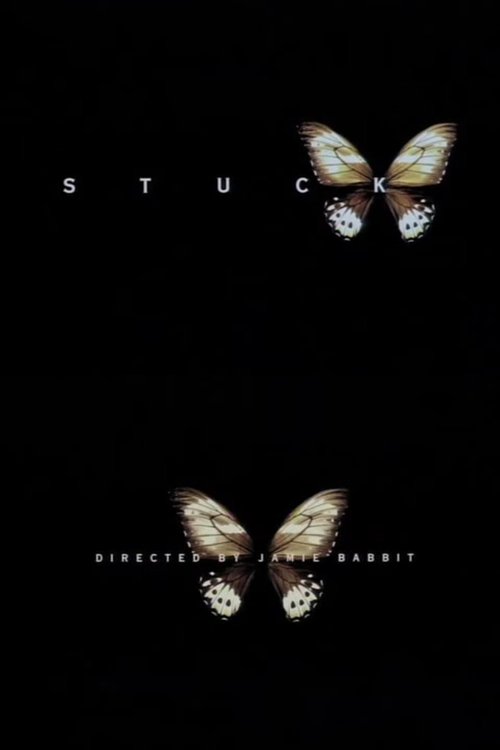
Jamie Babbit’s *Stuck* is a progressive piece of early 2000s independent cinema that successfully disrupts traditional gender roles. By centering the conflict entirely on two women, the film avoids traditional masculine archetypes and focuses on the granular realities of queer interpersonal dynamics. While the film excels in its primary mission of authentic queer women's ability to drive the story, it remains limited by a narrow demographic scope. The lack of racial diversity reflects the era's independent film trends, focusing heavily on a specific subculture rather than a diverse social spectrum. Ultimately, the film is a focused character study. It trades broad societal observations for a deep, messy exploration of personal ethics and situational morality in a secular world.
Category Breakdown
The film centers lesbian identity as a baseline reality rather than a subplot. It offers a nuanced, character-driven exploration of same-sex relationship dynamics and intimacy.
By removing the male gaze, the film explores female-centric power dynamics. It avoids submissive clichés, presenting women with complex, clashing emotional volatility.
The narrative landscape is relatively homogeneous and lacks significant non-Anglo-Saxon representation. It prioritizes sexual identity over racial or ethnic diversity.
The story operates in a secular, modern landscape devoid of traditional religious structures. It favors subjective morality and the deconstruction of relationship ideals.
There is no significant emphasis on visible or invisible disabilities. Characters are defined by romantic and social identities rather than physical or neurodivergent traits.
Present on Screen
Limited or Absent
Official Synopsis
Two aging lesbians have a heated argument that leads to an unexpected outcome involving a traffic accident deep in the California desert.
1999
1985
2004
1997
1998

1998

2002
1996
No reviews yet. Be the first to share your thoughts on this movie!
Use the rating form above to leave a star rating and optional review.