
Fire Island
2022
No user ratings available yet
Representation score: 6.9 out of 10
Representation Score
Fair
2019
TV-14Director
William Bindley
Runtime
109 minutes
Average Rating
No ratings yetNew Showbiz Analysis
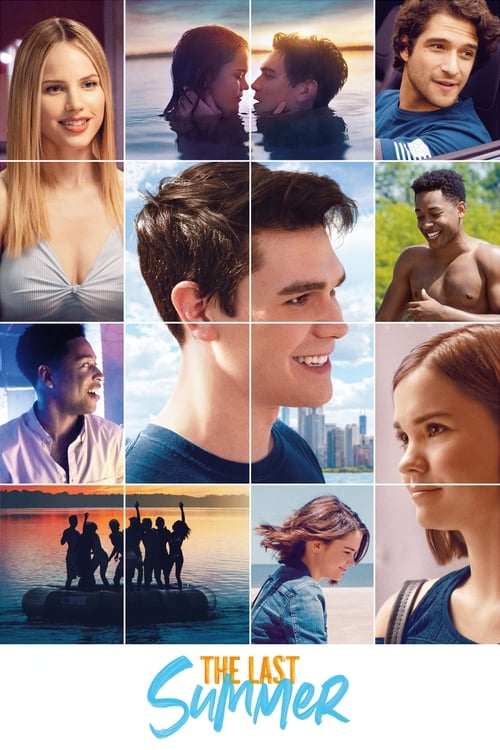
The Last Summer follows mainstream teen romance conventions, prioritizing familiar relationship clichés over progressive representation. Female characters like Phoebe exhibit professional ambition through independent documentary work, yet romantic resolutions adhere to conventional courtship dynamics. Racial and cultural dimensions are underexplored, with minority characters playing supporting roles in a predominantly white narrative. The film treats academic privilege and family expectations as individual hurdles without addressing systemic issues. Consequently, the ensemble lacks depth in representing diverse identities and experiences. Ultimately, the movie offers a polished but predictable coming-of-age experience. Its reliance on conventional relationship structures and exclusion of diverse perspectives limits its diversity metrics, reflecting a standard industry approach.
Category Breakdown
The film adheres strictly to traditional romance clichés, featuring no queer characters or subtext. This approach upholds historical genre exclusions without challenging them.
Female characters show professional ambition and pass the Bechdel test through independent creative projects. However, romantic storylines still rely on conventional courtship dynamics.
While the cast includes actors of color, their storylines remain secondary to the central white adolescent experiences. Racial identity is not addressed in the narrative.
The story emphasizes traditional Western values, presenting family expectations and academic privilege as personal challenges rather than systemic issues. Institutional critique is absent.
There are no characters dealing with visible or invisible disabilities, neurodivergence, or chronic illness. The plot centers on able-bodied experiences, excluding disability narratives.
Present on Screen
Limited or Absent
Official Synopsis
Standing on the precipice of adulthood, a group of friends navigate new relationships, while reexamining others, during their final summer before college.
2022
2011

2018

2020

2016

2019

2018

2019
No reviews yet. Be the first to share your thoughts on this movie!
Use the rating form above to leave a star rating and optional review.