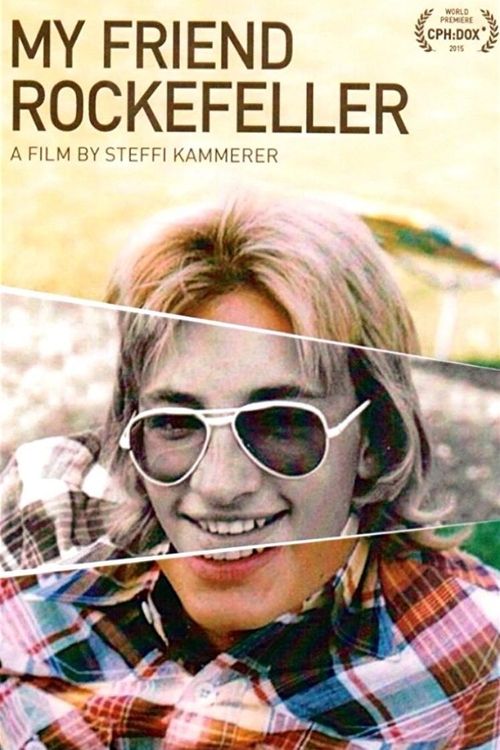
My Friend Rockefeller
2015
No user ratings available yet
Representation score: 1.8 out of 10
Representation Score
Limited
2010
TV-PGDirector
Mikael Salomon
Runtime
87 minutes
Average Rating
No ratings yetNew Showbiz Analysis
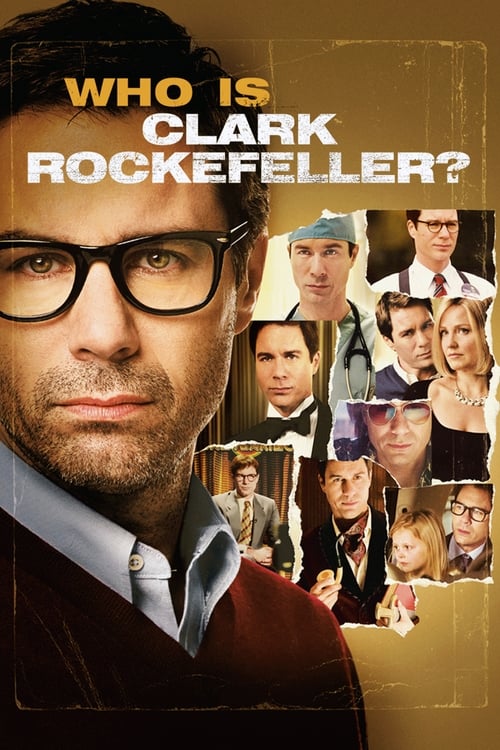
The film operates as a traditional biographical crime drama centered on high-society deception. It emphasizes the mechanics of a specific criminal case over exploring diverse identities. The narrative structure relies on established con-artist clichés rather than systemic critiques. Given the historically homogeneous social structures, the film lacks significant racial or cultural diversity. The focus remains on the psychological manipulation of wealth and prestige within elite, Anglo-Saxon circles. While Sandra Boss holds a prominent position, the power dynamics are defined by class and deception, resulting in a narrow scope that prioritizes historical accuracy over progressive representation.
Category Breakdown
The story centers around a heterosexual couple pursuing wealth and social standing. There are no representations of LGBTQ+ identities or critiques of the assumption that everyone is straight or cisgender.
Sandra Boss is shown to have significant professional influence as a McKinsey partner. However, the plot relies on clichés where she is charmed and deceived by a charismatic male character.
The setting highlights Boston's elite and the Rockefeller legacy, which are portrayed as historically homogeneous and Anglo-Saxon, indicating a lack of racial diversity.
The film examines the corruption of Western institutions through the eyes of a con artist. It portrays these circles as targets for exploitation without delving into their systemic structures.
There is no notable focus on physical, neurodivergent, or mental health disabilities as central elements of the story.
Present on Screen
Limited or Absent
Official Synopsis
Called "the longest running con in FBI history," Christian Karl Gerhartsreiter, the man that people knew as "Clark Rockefeller" had brilliantly impersonated numerous people, ranging from a talk show host to a Pentagon Advisor before ultimately claiming to be an heir to the famous Rockefeller family. Confident from the success of his prior scams, Clark quickly became well known and highly respected among Boston's elite and used his purported high society status to charm his way into the life of Sandra Boss, a millionaire with a Harvard MBA and a partner at the prestigious management consulting firm, McKinsey & Company.
2015
1973

2018
2017

2003

2015
2014
2019
No reviews yet. Be the first to share your thoughts on this movie!
Use the rating form above to leave a star rating and optional review.