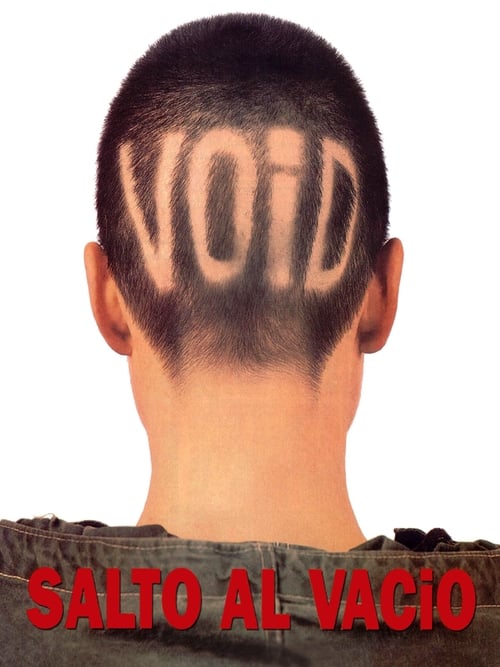
Salto al vacío
1995
No user ratings available yet
Representation score: 5.2 out of 10
Representation Score
Good
2010
Director
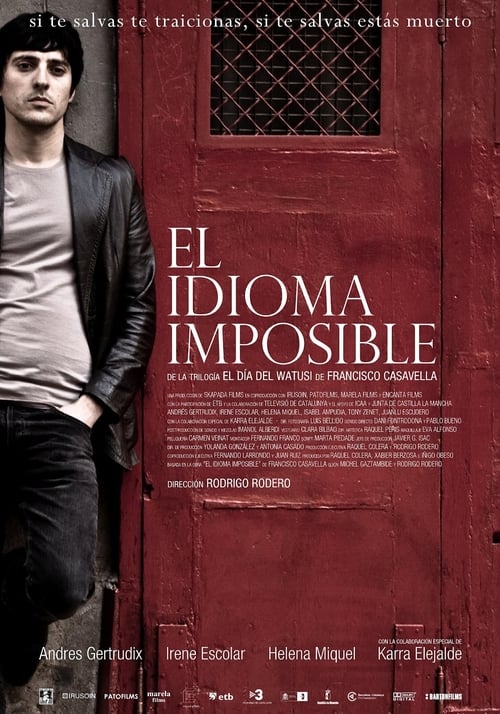
Rodrigo Rodero
Runtime
90 minutes
Average Rating
No ratings yetNew Showbiz Analysis
Rodrigo Rodero’s drama excels in its gritty, lyrical exploration of the Spanish margins. By focusing on the 'renegades' of 1980s Barcelona, the film avoids sanitized, mainstream clichés in favor of a more complex, urban realism. The film's strength lies in its subversion of traditional roles, particularly through female characters who drive the plot through their own volatile actions. The setting of El Raval provides a naturalistic backdrop for a multicultural, albeit shadowed, social landscape. However, the film remains limited in its breadth of representation. While it tackles heavy themes of addiction and systemic neglect, it lacks explicit depictions of LGBTQ identities or diverse physical and neurodivergent disabilities.
Category Breakdown
The film focuses on strong romantic connections between Fernando, Elsa, and Victoria. However, there is no clear indication of LGBTQ or non-cisgender identities within these relationships.
Female characters like Elsa and Victoria play significant roles in driving the story. Elsa is portrayed as a passionate, self-destructive figure who destabilizes the male protagonist's life rather than serving as a traditional domestic anchor.
Set in Barcelona's El Raval, the film showcases a multicultural urban environment. The focus on 'Chinatown' and societal outliers highlights a diverse, non-homogeneous social fabric.
The narrative challenges traditional social structures by centering on characters who live by their own codes. It prioritizes the lived experiences of those sidelined over conventional moralizing.
The story explores the psychological impact and chemical dependency of heroin addiction. There is little evidence of physical or neurodivergent disability representation outside of substance-induced impairment.
Present on Screen
Limited or Absent
Official Synopsis
Fernando, lives in the heart of Barcelona's Chinatown, which seeks life peddling amphetamines and alternating with a peculiar gallery sinister characters. In one of those sunrises stolen life, Fernando meet Elsa, a young teenager, fresh and lively, with a passionate and self-destructive personality who unwittingly become the most addictive. Together they try to survive in a shadowy villain and Barcelona at the end of the day is taken by the renegades of society and their particular codes.
1995
2000
2015
2017
2005

2015

2015
1981
No reviews yet. Be the first to share your thoughts on this movie!
Use the rating form above to leave a star rating and optional review.