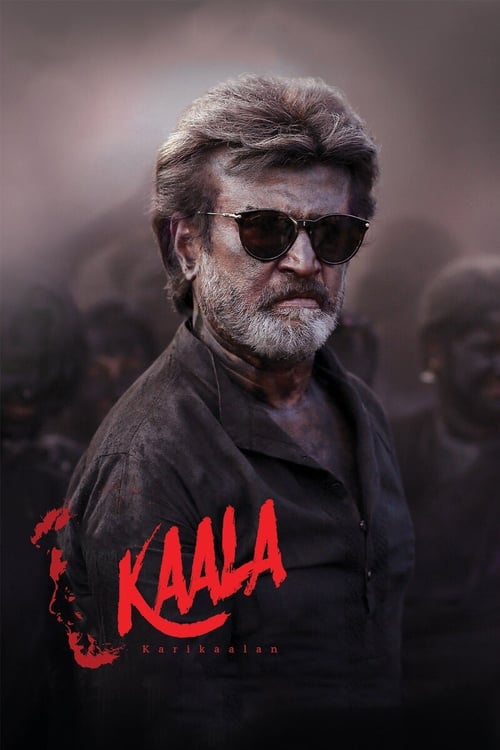
Kaala
2018
No user ratings available yet
Representation score: 8.4 out of 10

Representation Score
Fair
2016
Not RatedDirector
Pa. Ranjith
Runtime
150 minutes
Average Rating
No ratings yetNew Showbiz Analysis
Kabali disrupts typical commercial cinema conventions by focusing on the empowerment of underrepresented identities. It effectively critiques social hierarchies through the lens of identity politics. While the film successfully dismantles caste-based power imbalances, it remains confined to traditional gender roles. Male characters dominate leadership positions, limiting the scope of its social commentary. Ultimately, the film's strength lies in its subversion of established social structures to empower underrepresented identities, even within a conventional patriarchal framework.
Category Breakdown
The film does not include explicit LGBTQ+ characters or storylines focused on non-straight relationships. Instead, it centers on family heritage and political struggles based on caste.
The story follows a male protagonist who leads the social movement, while women are shown with respect but mainly play supporting roles in the home.
The film stands out by highlighting Dalit identity and giving characters from underrepresented communities significant roles in challenging dominant-caste power structures in Indian cinema.
The narrative critically examines corrupt political and social systems, emphasizing themes of resistance against systemic oppression and traditional norms.
The film does not prominently feature characters with visible or invisible disabilities, nor do disability-related themes influence the main plot or character development.
Present on Screen
Limited or Absent
Official Synopsis
A gangster in Malaysia goes in search of his family after 25 years of imprisonment.
2018

2023

2013

2014
2011

2021

2014
2005
No reviews yet. Be the first to share your thoughts on this movie!
Use the rating form above to leave a star rating and optional review.