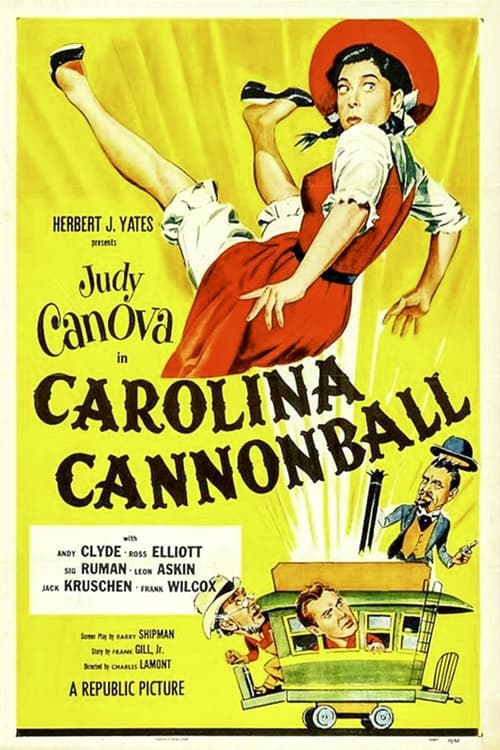
Carolina Cannonball
1955
No user ratings available yet
Representation score: 0.4 out of 10
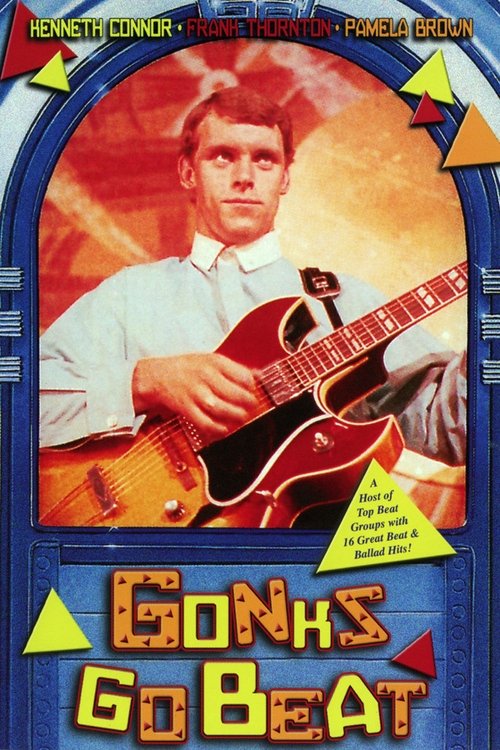
Representation Score
Limited
1965
Director
Robert Hartford-Davis
Runtime
90 minutes
Average Rating
No ratings yetNew Showbiz Analysis
Gonks Go Beat functions as a musical fable that uses a stylized, allegorical framework to explore social division. By employing a Romeo and Juliet structure, the film dramatizes the friction between two distinct musical subcultures. While the film explores tribalism through aesthetic preference, it lacks the complexity to address systemic identity politics. The narrative prioritizes subcultural allegory over characters who reflect more than one aspect of diversity, remaining a product of its 1960s era. The use of non-human puppets allows for a whimsical exploration of social boundaries, yet the work does not engage in deep structural critique regarding gender or race.
Category Breakdown
The film focuses on a romantic pairing meant to bridge musical factions. There is no explicit evidence of non-straight relationships or critiques of the assumption that everyone is straight or cisgender.
A central couple drives the plot through their romantic connection. It remains unclear if the film challenges traditional gender roles or reinforces mid-century domestic archetypes.
The use of fictional Gonk puppets suggests a metaphorical approach to storytelling. The primary conflict centers on musical subcultures rather than racial or ethnic identity.
The narrative explores cultural friction by pitting rock and roll against traditional ballads. This setup disrupts the idea of a singular, unified cultural standard.
There is no discernible evidence regarding the portrayal of physical or neurodivergent disabilities within the film.
Present on Screen
Limited or Absent
Official Synopsis
Bizarre sixties fable resembling Romeo and Juliet, but instead of Montagues and Capulets, there are two musical communities, one who like rock and roll and one who like ballads, who become reunited through the love between a couple who love across their grouping. It features little furry puppets called Gonks.
1955
1965
1970
1968
1964
1978
1965
1982
No reviews yet. Be the first to share your thoughts on this movie!
Use the rating form above to leave a star rating and optional review.