The Strawberry Shortcake Movie: Sky's the Limit
2009
No user ratings available yet
Representation score: 1.6 out of 10
Representation Score
Limited
2009
Director
Alan Simpson, Ansgar Niebuhr
Runtime
70 minutes
Average Rating
No ratings yetNew Showbiz Analysis
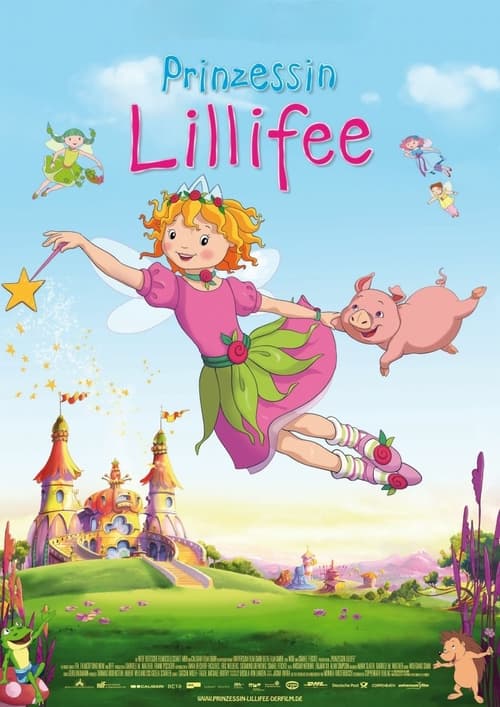
Princess Lillifee is a traditional family animation that prioritizes moral clarity and stability over social disruption. While it breaks from male-centric clichés by centering a female lead, the character remains rooted in conventional gendered expectations of kindness and beauty. The world-building relies on standard fantasy hierarchies. While various magical species inhabit the kingdom, they function as genre archetypes rather than metaphors for ethnic or cultural diversity. Ultimately, the film adheres to established genre conventions. It lacks diverse representations of multi-layered identities, disability, or any systemic critique of the social or monarchical structures presented.
Category Breakdown
The film follows conventional structures common in early 2000s children's media, focusing on straight relationships and ignoring non-traditional gender identities. There is no evidence of narratives that challenge traditional social norms.
Lillifee serves as a central female protagonist with significant magical abilities. However, her character adheres to traditional feminine roles, emphasizing beauty and kindness rather than challenging gendered expectations.
The enchanted kingdom relies on standard fantasy archetypes like fairies, goblins, and mermaids. There is no effort to include diverse cultural representations or deconstruct Anglo-centric fantasy clichés.
The story centers on maintaining harmony within a monarchical framework. The narrative focuses on social cohesion and benevolence, avoiding any critique of established institutions or cultural structures.
Characters appear to function within idealized physical capacities typical of the animation genre. There is no visible or invisible representation of neurodivergence or physical disabilities.
Present on Screen
Limited or Absent
Official Synopsis
In an enchanted kingdom, Princess Fairy Lillifee rules creating beauty and spreading goodness wherever she goes. Together with her best friend, Pupsi pork, she flies all over her kingdom, leaving behind a magical trail: clouds of pink butterflies and twinkling stars. She soon discovers that not everyone is happy. Many complain about the antics of some fairies. If things don't change, the farm goblins, fishermen elves and mermaids will leave the enchanted kingdom.
2009
2006
2003
2007
2014

2014
2008
2006
No reviews yet. Be the first to share your thoughts on this movie!
Use the rating form above to leave a star rating and optional review.