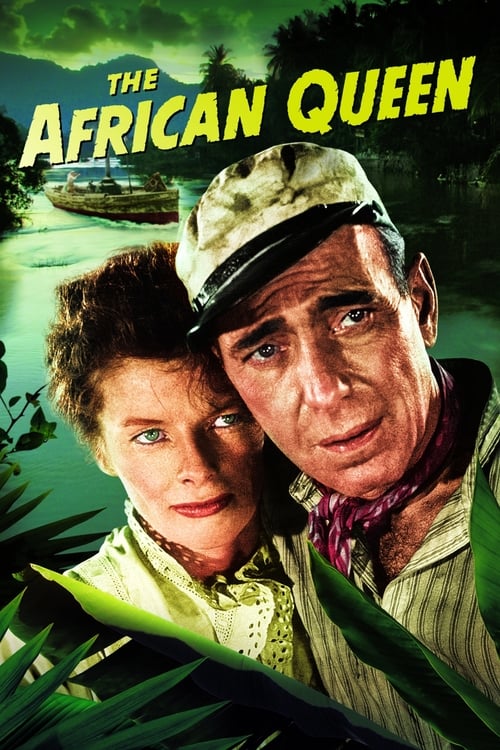
The African Queen
1952
No user ratings available yet
Representation score: 2.3 out of 10
Representation Score
Fair
2008
PG-13Director
Baz Luhrmann
Runtime
165 minutes
Average Rating
No ratings yetNew Showbiz Analysis
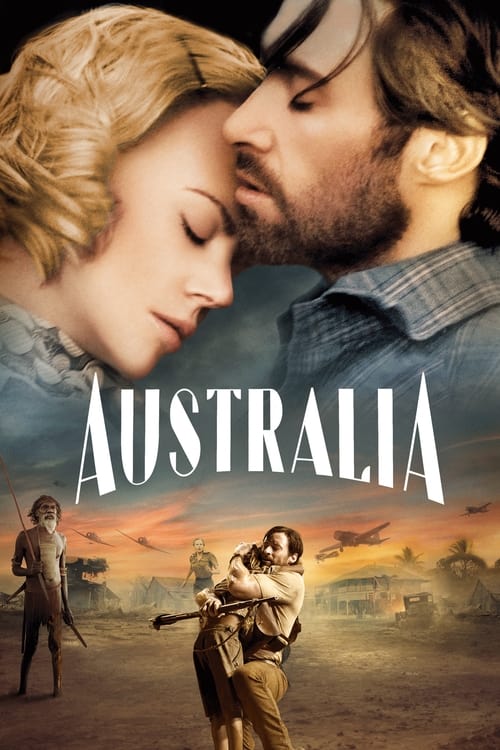
Baz Luhrmann’s epic balances progressive character growth against traditional storytelling clichés. The film succeeds in subverting gendered expectations through its female lead and includes meaningful Indigenous perspectives within the colonial landscape. However, the narrative remains tethered to colonial-centric power dynamics. The tendency to frame Indigenous ability to act through a Western lens prevents a more profound exploration of racial diversity. Ultimately, the film occupies a transitional space, challenging domesticity for women while remaining anchored in the traditional structures of the early 21st-century epic.
Category Breakdown
The film follows a traditional structure where everyone is assumed to be straight. There is no hint of LGBTQ themes or characters.
Lady Sarah Ashley breaks the damsel-in-distress stereotype by playing a significant role in driving the story. She transforms from a sheltered aristocrat into a self-reliant landowner in a traditionally male-dominated industry.
Nullah, an Indigenous character, provides an emotional anchor. However, the narrative often frames Indigenous ability to act through the lens of white protagonists, adhering to a White Savior framework.
The story highlights the clash between Western structures and the natural landscape, critiquing colonial imposition. It remains a sweeping romantic epic that respects the social foundations of its historical era.
There are no characters with visible or invisible disabilities serving as central narrative drivers.
Present on Screen
Limited or Absent
Official Synopsis
Set in northern Australia before World War II, an English aristocrat who inherits a sprawling ranch reluctantly pacts with a stock-man in order to protect her new property from a takeover plot. As the pair drive 2,000 head of cattle over unforgiving landscape, they experience the bombing of Darwin by Japanese forces firsthand.
1952
1937

1996
1939
2003

1945
1990
1931
No reviews yet. Be the first to share your thoughts on this movie!
Use the rating form above to leave a star rating and optional review.