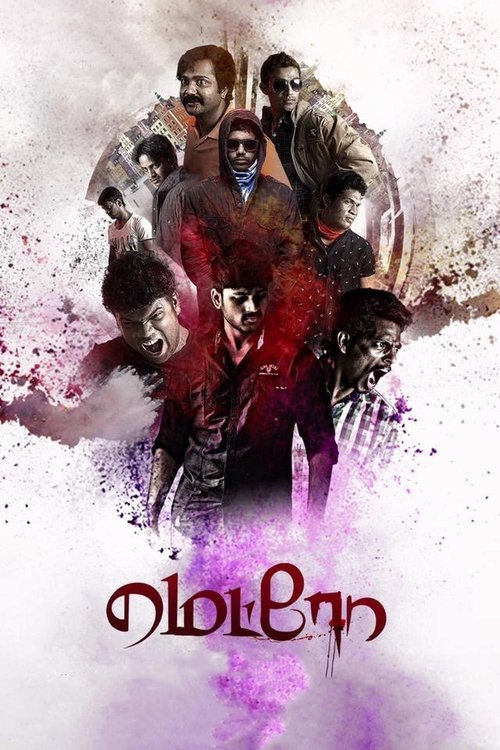
Metro
2016
No user ratings available yet
Diversity score: 4.2 out of 10

2016
PG-13Director
Bejoy Nambiar
Runtime
103 minutes
Average Rating
No ratings yetSynopsis
'Wazir' is a tale of two unlikely friends, a wheelchair-bound chess grandmaster and a brave ATS officer. Brought together by grief and a strange twist of fate, the two men decide to help each other win the biggest games of their lives. But there's a mysterious, dangerous opponent lurking in the shadows, who is all set to checkmate them.
Overall Score
Fair
Category Breakdown
LGBTQ+ Representation
The film lacks LGBTQ+ characters or non-heteronormative dynamics. The emotional narrative focuses on traditional interpersonal connections and heteronormative grief.
Gender Representation
The story is predominantly male-centric, focusing on the trajectories of the two male leads. While Aliya is integral to the mystery, her agency remains tethered to the male protagonists' investigative progress.
Racial & Ethnic Diversity
Set in Mumbai, the film naturally reflects a diverse ethnic and religious tapestry. It organically portrays the intersection of Hindu and Muslim identities within the urban social fabric.
Religious & Cultural Diversity
The narrative explores justice and institutional duty through a procedural lens. It acknowledges the personal toll of the justice system without actively seeking to dismantle traditional institutional structures.
Disability Representation
The wheelchair-bound chess grandmaster is a central figure with high agency. His disability is integrated into his identity as a strategist rather than being used as a mere plot device.
Strengths
Areas for Improvement
AI Analysis
Wazir succeeds as a character study by providing a nuanced portrayal of physical disability. The chess grandmaster is defined by his intellectual prowess rather than being a source of pity, offering a refreshing take on agency. The film also captures the multicultural reality of Mumbai, using religious diversity as an organic backdrop for character development. This provides a sense of grounded, realistic social complexity. However, the film remains limited by traditional cinematic hierarchies. The narrative architecture prioritizes male authority and heteronormative structures, which prevents a more progressive or systemic exploration of identity.
No reviews yet. Be the first to share your thoughts on this movie!
Use the rating form above to leave a star rating and optional review.