
bobbycrush
2003
No user ratings available yet
Representation score: 3.8 out of 10
Representation Score
Limited
2017
Director
Andy Deshaun, Rebecca Emcken
Runtime
21 minutes
Average Rating
No ratings yetNew Showbiz Analysis
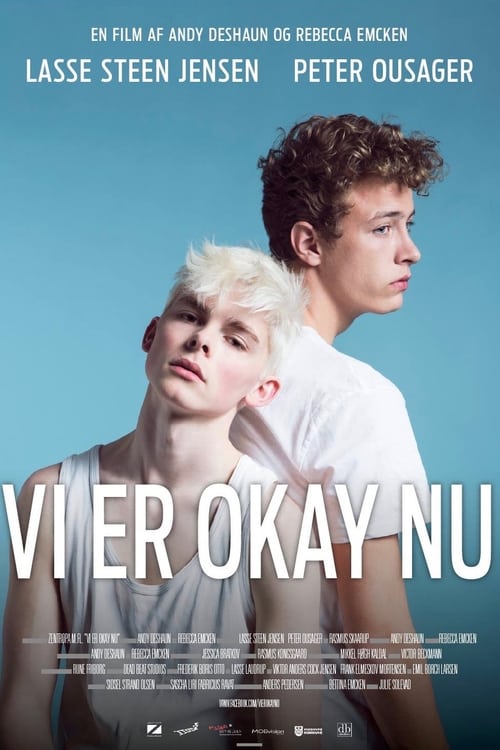
We Are Okay Now explores the intersection of unrequited queer desire and the psychological aftermath of trauma. By placing non-traditional emotional landscapes at the center of the narrative, the film successfully engages with identity and social norms. The focus on a teenage boy's vulnerability challenges traditional male clichés, offering a fresh perspective on male emotionality. However, the film's scope is limited by a lack of visible racial, ethnic, or disability representation, focusing primarily on queer and gendered emotional experiences.
Category Breakdown
The film centers on the tension of unrequited love between queer individuals, making these emotional dynamics the core of the drama. The protagonist's identity and feelings are crucial to the story's emotional stakes.
The story highlights the vulnerability of a teenage male protagonist, moving away from traditional stoic masculine roles towards a more nuanced portrayal of emotions.
Insufficient information is available to determine the racial or ethnic makeup of the cast. There are no explicit narratives focused on diverse ethnic backgrounds.
The narrative emphasizes psychological complexity and the breakdown of social bonds. It prioritizes the subjective emotional truth of characters over idealized views of friendship.
No explicit depiction of neurodivergence or physical disabilities is shown. However, the mention of trauma suggests a possible exploration of psychological impacts.
Present on Screen
Limited or Absent
Official Synopsis
A teenage boy is in love with his straight best friend, but a traumatic experience has changed the dynamics between them.
2003

2016

2016

2016

2011

2014
2017

2023
No reviews yet. Be the first to share your thoughts on this movie!
Use the rating form above to leave a star rating and optional review.