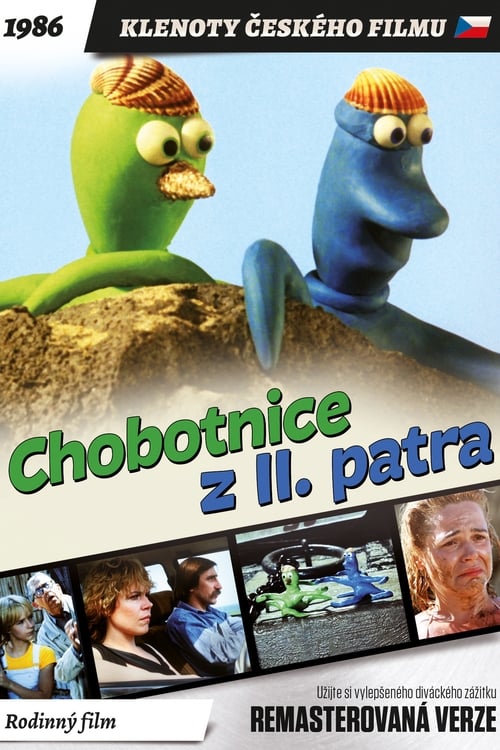
The Octopuses from the Second Floor
1987
No user ratings available yet
Representation score: 4.1 out of 10
Representation Score
Good
1963
Director
Jindřich Polák
Runtime
66 minutes
Average Rating
No ratings yetNew Showbiz Analysis
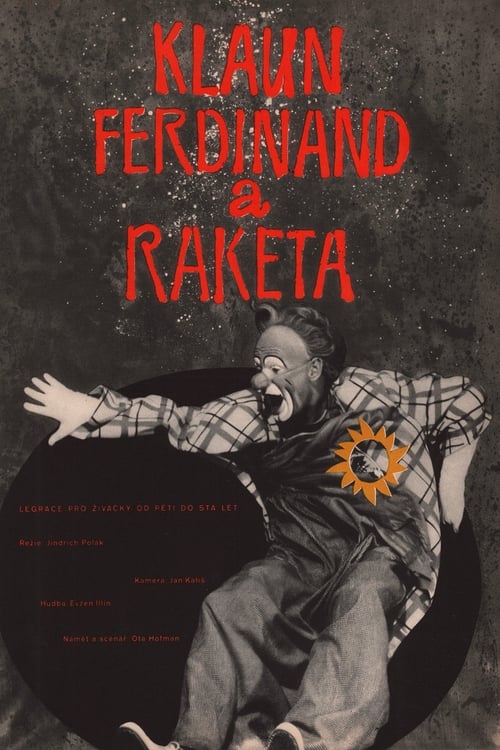
Clown Ferdinand and the Rocket is a whimsical science fiction comedy that uses genre clichés to move away from everyday reality. By placing a clown—a figure traditionally on the periphery of social norms—into a high-technology environment, the film suggests a challenge to the hierarchy between the common person and the technological elite. While the film does not explicitly promote a progressive social agenda through diverse casting, its genre-bending nature provides a framework that challenges the rigid social hierarchies of the early 1960s. It functions as a moderately inclusive work through its speculative lens. Ultimately, the film's strength lies in its ability to deconstruct conventional social structures through the lens of the absurd and the speculative.
Category Breakdown
The film's representation of LGBTQ+ identities seems minimal or implied due to its 1963 setting. There is no explicit depiction of non-assuming gender matches what was assigned at birth identities, following traditional narrative structures typical of mid-century family comedies.
The story focuses on a male-coded journey with a singular male protagonist and a robot. While there is no apparent active misogyny, the narrative reflects the gendered storytelling constraints of the time period.
As a Czechoslovakian production, the film likely features a predominantly Central European cast. The science fiction setting and robot allow for a non-human approach to identity that goes beyond traditional ethnic markers.
The film deviates from traditional Western capitalist or religious frameworks by emphasizing the absurd. The setting and characters prioritize curiosity and existential exploration over established social institutions.
There is no explicit portrayal of neurodivergence or physical disability with ability to act. The clown archetype might represent social otherness, though this is speculative.
Present on Screen
Limited or Absent
Official Synopsis
When Clown Ferdinand enters an abandoned city in his wagon he ends up on a space rocket where he meets a robot that can turn invisible. This film reuses sets from Polák's Ikarie XB 1 (1963).
1987
1974
1985

1986
1979

1960
1960
1967
No reviews yet. Be the first to share your thoughts on this movie!
Use the rating form above to leave a star rating and optional review.