Fair Game
2010
No user ratings available yet
Representation score: 3.2 out of 10
Representation Score
Limited
2008
RDirector
Rod Lurie
Runtime
108 minutes
Average Rating
No ratings yetNew Showbiz Analysis
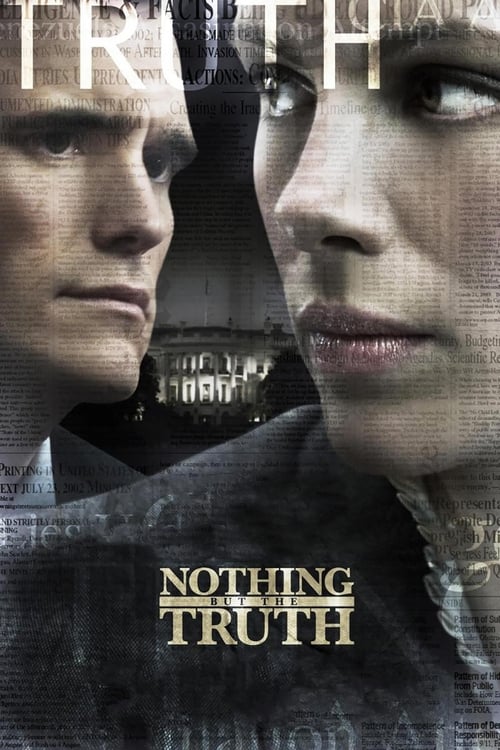
Nothing But the Truth is a character-driven legal thriller that successfully challenges traditional gender dynamics. By focusing on a woman's resistance to state pressure, the film highlights female professional autonomy in a high-stakes political environment. However, the film's scope is limited. The cast is predominantly white and lacks racial and LGBTQ+ diversity. This narrows the narrative to a specific demographic, making it feel less inclusive despite its sophisticated critique of authority. Ultimately, the film offers a nuanced examination of Western authority but falls short in providing a broad range of human experiences beyond the central legal conflict.
Category Breakdown
The film does not include any LGBTQ+ characters or explore non-straight relationships. The story stays focused on professional and legal themes without addressing queer identities.
Rachel Armstrong is a strong female lead who drives the plot through her intellect. She challenges male-dominated institutions, defying traditional expectations of passive female roles in political dramas.
The cast primarily reflects a homogeneous, white professional class. The story lacks diverse racial perspectives and multi-layered casting to challenge the dominant demographic norm.
The narrative critiques Western institutional integrity by examining the tension between journalistic truth and state secrecy. It explores how state authority uses information to maintain power.
The film does not portray any visible or invisible disabilities as central to the character arcs. The narrative does not address disability within its progression.
Present on Screen
Limited or Absent
Official Synopsis
When reporter Rachel Armstrong writes a story that reveals the identity of a covert CIA operative, the government demands that Rachel reveal her source. She defies the special prosecutor and is thrown in jail. Meanwhile, her attorney, Albert Burnside argues her case all the way to the U.S. Supreme Court.
2010

2004

2012

2000

2019
2017
1999

1989
No reviews yet. Be the first to share your thoughts on this movie!
Use the rating form above to leave a star rating and optional review.