
Rendezvous in Paris
1995
No user ratings available yet
Representation score: 5.0 out of 10
Representation Score
Limited
2011
Director
Emmanuel Mouret
Runtime
85 minutes
Average Rating
No ratings yetNew Showbiz Analysis
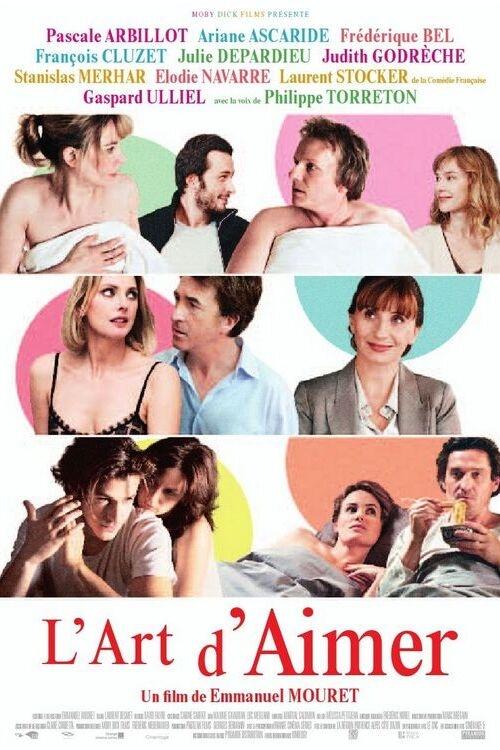
The Art of Love is a traditional romantic comedy that prioritizes philosophical exploration of human connection over social critique. It operates within a narrow, homogeneous social stratum in Paris, limiting its range of representation. While the film portrays women with emotional complexity and ability to act, it remains tied to conventional romantic frameworks. The narrative fails to engage with diverse identities, focusing instead on the internal dynamics of a largely uniform demographic. Ultimately, the film serves as a localized character study. It mirrors a specific social environment without attempting to challenge established norms or incorporate broader perspectives that reflect multiple aspects of identity.
Category Breakdown
The film focuses almost exclusively on heterosexual relationships. There is no depiction of same-sex intimacy or non-cisgender identities.
Women are shown with emotional depth and play a significant role in driving their own desires. However, the story often centers on how these women affect the romantic journeys of men.
The cast is primarily white, reflecting a homogeneous middle-class Parisian demographic. There is no effort to expand the cultural scope or include multi-layered casting.
The story adheres to a secular, Western European framework of romantic individualism. It presents contemporary Paris as a neutral setting for interpersonal drama without engaging in broader critiques.
There are no visible or invisible disabilities portrayed. Character struggles are centered on emotional and romantic issues rather than physical or neurodivergent experiences.
Present on Screen
Limited or Absent
Official Synopsis
Several interconnected chapters follow a variety of Parisian couples navigating love, desire, and relationships. Isabelle, frustrated by a year of celibacy, rejects her friend Zoé’s offer to "borrow" her husband and instead impersonates their mutual friend Amélie, who cannot bring herself to sleep with her close friend Boris. Meanwhile, the lonely Achille is stunned when his alluring new neighbor appears at his door in a negligee, proposing an affair. Elsewhere, middle-aged Emmanuelle struggles with an overwhelming attraction to every handsome man she encounters, threatening her marriage, while a young couple wrestles with jealousy. Each chapter delves into the unpredictability of love with humor and poignancy.
1995

2005
2017

1997

2014

2007

2021

2014
No reviews yet. Be the first to share your thoughts on this movie!
Use the rating form above to leave a star rating and optional review.