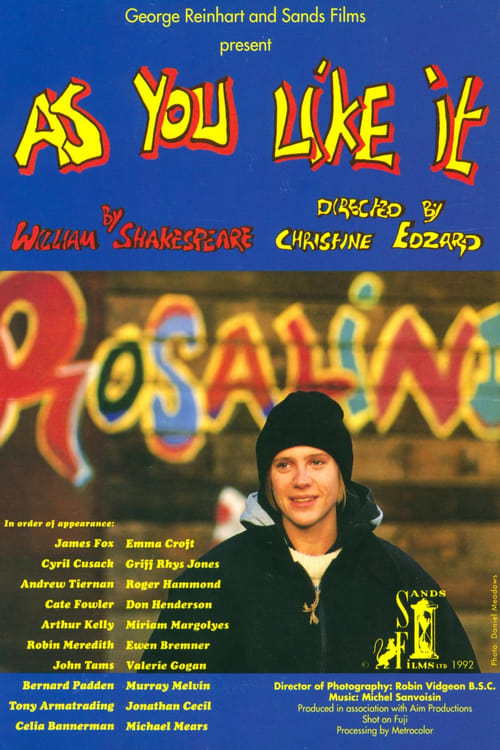
As You Like It
1992
No user ratings available yet
Representation score: 5.4 out of 10
Representation Score
Fair
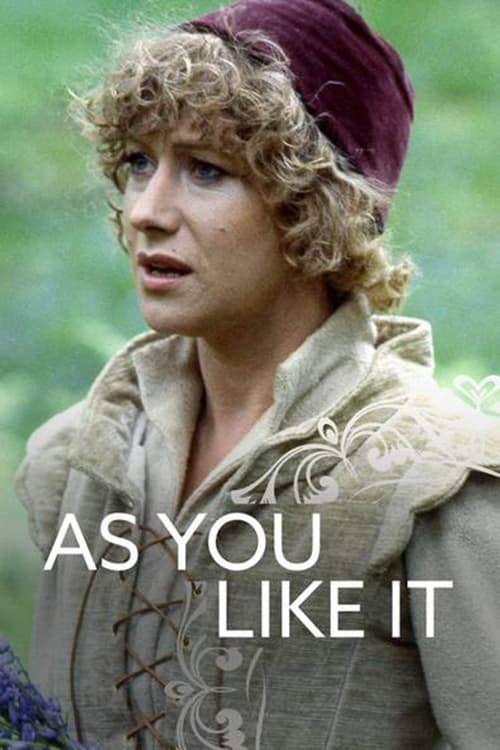
1978
TV-14Director
Basil Coleman
Runtime
151 minutes
Average Rating
No ratings yetNew Showbiz Analysis
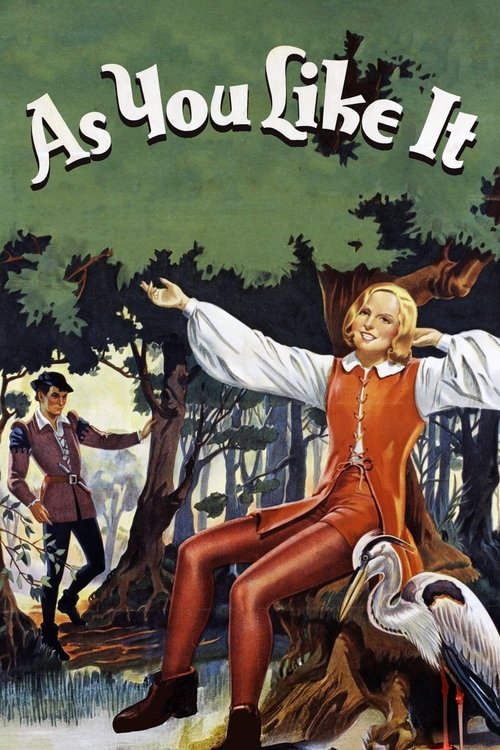
This 1978 adaptation of Shakespeare's comedy delves into themes of identity fluidity and the subversion of social hierarchies. The narrative's strength lies in its exploration of gender expression and the empowered role of Rosalind. However, the film adheres closely to the casting standards of its time, lacking racial diversity. Its focus on traditional Anglo-Saxon casting limits its broader impact. While it critiques institutional power through its pastoral setting, it remains within the conventional social norms of the era.
Category Breakdown
The film explores cross-dressing as a means for survival and empowerment for Rosalind. Her actions highlight the importance of gender expression in navigating challenging situations.
Rosalind challenges traditional gender roles by showing strong intellectual and strategic abilities. By adopting a male persona, she drives the plot forward and resolves conflicts.
The film follows typical 1970s casting practices, with no indication of actors portraying characters outside their own ethnicity. This results in a predominantly white cast.
The story contrasts the corrupt court with the communal life of the forest. This setting serves as a metaphor for breaking down rigid social structures.
There is no discernible evidence regarding the portrayal of physical or neurodivergent disabilities in this production.
Present on Screen
Limited or Absent
Official Synopsis
Orlando is forced to work like a servant for his brother Oliver, so he goes to win his fortune in a wrestling contest, where he meets a lady of the court, Rosalind. Rosalind (daughter of the deposed duke) is companion to Celia, niece of the deposed Duke, and when the current duke banishes Rosalind from the kingdom, she, Celia, the court jester (and incidentally Orlando) all end up in the forest or Arden, where the deposed Duke holds court. Romantic mixups, cross-dressing, love poems nailed to trees, and a lion await them all.
1992
1967
2006
1952
1936
1952

1988
1999
No reviews yet. Be the first to share your thoughts on this movie!
Use the rating form above to leave a star rating and optional review.