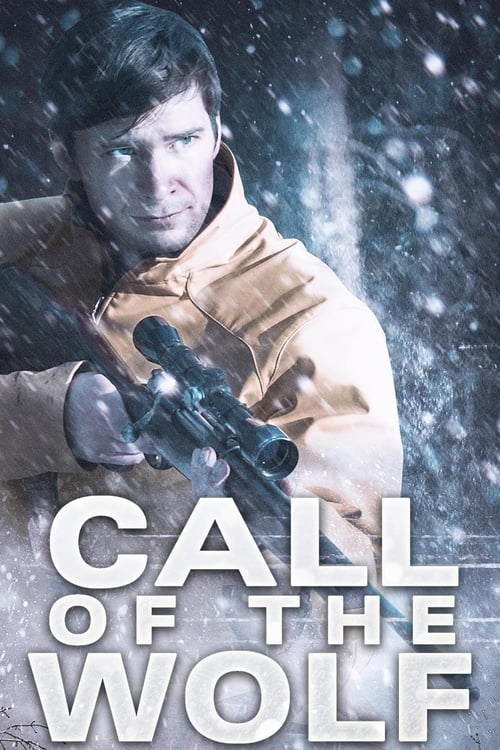
Call of the Wolf
2017
No user ratings available yet
Representation score: 3.9 out of 10

Representation Score
Limited
2024
Director
Salvador Calvo
Runtime
120 minutes
Average Rating
No ratings yetNew Showbiz Analysis
Valley of Shadows is a survival thriller that stands out through its diverse setting and the redistribution of ability to act. By featuring a native rescuer, the film breaks away from the typical 'heroic traveler' cliché and presents indigenous life as a complex, independent social structure. However, the film maintains traditional narrative structures, focusing on standard family dynamics and lacking representation for LGBTQ+ identities or neurodivergence. The film's progressive elements lie in its cross-cultural dynamics and its portrayal of indigenous life as a central, self-sufficient entity.
Category Breakdown
The film does not include any characters or narratives related to LGBTQ+ identities. There is no indication of queer subtext or non-straight relationships.
The story centers around a traditional family unit with Quique, Clara, and Lucas. While Clara's role in driving the story is not explicitly defined, the family dynamic adheres to conventional gender roles.
Set in Northern India, the film includes a native rescuer who plays a crucial role. This shifts the focus of ability to act from Western characters to indigenous figures.
Placing Western travelers in a remote Indian village highlights the tension between outsiders and local social structures. The film challenges the idea that Westerners always have control over their situations.
The film does not feature any characters dealing with physical, sensory, or neurodivergent disabilities. The narrative focuses on the survival experiences of the main family.
Present on Screen
Limited or Absent
Official Synopsis
Quique, Clara and little Lucas are vacationing in northern India. One night, sleeping outside during a storm, they are brutally attacked. Hours later, Quique is rescued by a native and taken to a remote isolated village in the mountains.
2017
2014

2024
2017
2001
2011
2014

2006
No reviews yet. Be the first to share your thoughts on this movie!
Use the rating form above to leave a star rating and optional review.