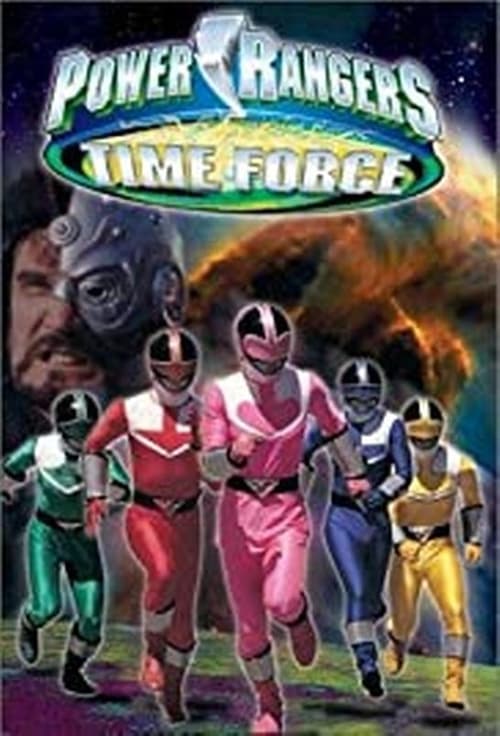
Power Rangers Time Force: Dawn of Destiny
2002
No user ratings available yet
Representation score: 6.8 out of 10
Representation Score
Limited
2002
Director
Worth Keeter, Koichi Sakamoto
Runtime
120 minutes
Average Rating
No ratings yetNew Showbiz Analysis
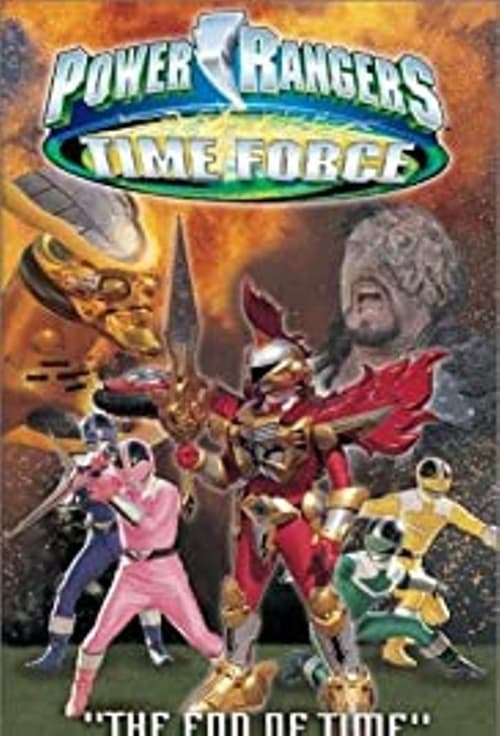
Power Rangers Time Force: The End of Time is a traditional heroic epic. It successfully showcases a diverse cast that promotes inclusivity within its futuristic backdrop, offering a positive representation for its intended audience. However, the film does not actively challenge societal hierarchies. While gender roles are evenly distributed, they are still confined to typical combat roles rather than questioning traditional masculinity or femininity. The narrative avoids complex identity themes, focusing instead on clear moral absolutes and established norms.
Category Breakdown
The film does not include any LGBTQ+ characters. The interpersonal dynamics stay within the typical boundaries of early-2000s family entertainment.
The main team has a balanced mix of genders. However, the characters adhere to standard action clichés without challenging traditional gender hierarchies or leadership roles.
The cast includes a variety of racial and ethnic backgrounds. This diverse group helps promote a normalized view of diversity within the high-tech environment.
The storyline follows a traditional Western 'good vs. evil' theme. It emphasizes maintaining a stable timeline and defending the current order.
There is no depiction of visible or invisible disabilities. The plot and main characters do not address neurodivergence or chronic illnesses.
Present on Screen
Limited or Absent
Official Synopsis
Jen, Katie, Lucas and Trip receive a panicked call from Alex. Frax, he warns, is building Doomtron, a super-robot that will destroy the city. If the teens don't return to the future (3000) now, the won't survive. Wes, however, must stay in his own era - 2001 - so the teens stay and help him fight.
2002
2007
2001
2009
2009

1987
2002
2003
No reviews yet. Be the first to share your thoughts on this movie!
Use the rating form above to leave a star rating and optional review.