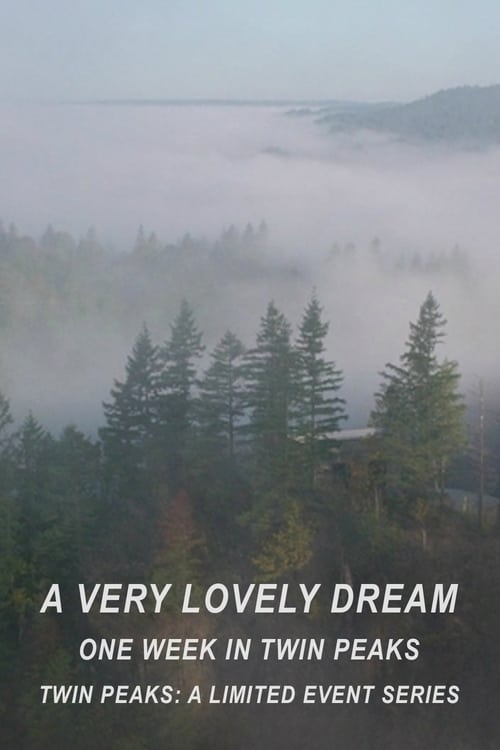
A Very Lovely Dream: One Week in Twin Peaks
2017
No user ratings available yet
Representation score: 5.2 out of 10

Representation Score
Limited
2017
Director
Richard Beymer
Runtime
30 minutes
Average Rating
No ratings yetNew Showbiz Analysis
This documentary offers a specialized look into a creative ecosystem that inherently challenges traditional narrative expectations. By focusing on the making of Twin Peaks: The Return, the film engages with a legacy of unconventional storytelling and the disruption of social norms. While the documentary format limits the presence of character-driven multi-layered arcs, the subject matter provides a baseline of progressive thematic engagement. The connection to avant-garde media allows for a subtle subversion of mainstream clichés. Ultimately, the film's diversity is tied more to its thematic connection to David Lynch's work than to explicit character representation.
Category Breakdown
The documentary focuses on the production process of Twin Peaks: The Return. There is no evidence of LGBTQ+ characters or narratives addressing non-straight relationships.
The film touches on the deconstruction of traditional gender roles and archetypes. This reflects the subversion of mainstream media clichés found within the Twin Peaks universe.
The documentary suggests a departure from purely Anglo-centric storytelling through its global production context. However, specific details regarding diverse casting or plot elements are not present.
The film explores a creative process known for moral relativism and critiques of Western structures. It aligns with narratives that challenge conventional social hierarchies and institutional stability.
There is no verifiable evidence regarding the depiction of neurodivergence or physical disabilities within this documentary.
Present on Screen
Limited or Absent
Official Synopsis
Short documentary about the making of Twin Peaks: The Return.
2017

2017

2007

2004
2007

2014
2003
2012
No reviews yet. Be the first to share your thoughts on this movie!
Use the rating form above to leave a star rating and optional review.