
Meu Passado Me Condena 2: O Filme
2015
No user ratings available yet
Diversity score: 4.3 out of 10

2018
Director
Susana Garcia
Runtime
95 minutes
Average Rating
No ratings yetSynopsis
Fernanda is married to Tom, with whom she has a five-year-old daughter, Joana. The couple is in the midst of wear and tear caused by living together for many years, which generates constant friction. Who helps Fernanda to overcome the crisis is her partner Aníbal, inseparable partner during the arduous journey between saving the marriage or putting an end to it.
Overall Score
Limited
Category Breakdown
LGBTQ+ Representation
The narrative centers on a heterosexual marriage, offering no queer characters or subversion of heteronormative expectations. The absence of LGBTQ+ inclusion reflects a conventional approach to relationship dynamics.
Gender Representation
Fernanda’s dissatisfaction challenges the 'happy wife' trope, yet her resolution relies on male guidance from Aníbal. This reinforces traditional gender roles where women seek male validation for emotional decisions.
Racial & Ethnic Diversity
The cast reflects Brazil’s demographic diversity, but the synopsis lacks specific racial context. Without evidence of non-white leads defying stereotypes, the representation remains neutral rather than progressive.
Religious & Cultural Diversity
The film upholds traditional marriage as the primary source of drama, lacking critique of systemic institutions. It aligns with conservative values regarding marital commitment, avoiding broader sociopolitical commentary.
Disability Representation
No characters display visible or invisible disabilities, nor is neurodivergence explored. The conflict stems from relational issues, leaving disability representation entirely absent from the narrative scope.
Strengths
Areas for Improvement
AI Analysis
Minha Vida em Marte operates within safe romantic comedy conventions, prioritizing individual marital friction over systemic critique. While Fernanda’s agency offers a slight nod to female dissatisfaction, the reliance on male advice undermines genuine empowerment. The story avoids challenging traditional structures, focusing instead on personal relationship maintenance. The cast’s potential diversity is not leveraged for progressive storytelling. Without specific narrative engagement with race, disability, or queer identity, the film remains culturally neutral. It reflects mainstream Brazilian cinema’s tendency to prioritize universal romantic tropes over intersectional depth. Ultimately, the film’s low diversity score stems from its adherence to heteronormative and traditional frameworks. It lacks the boldness to subvert gender roles or include marginalized perspectives, resulting in a narrative that feels familiar but unchallenging.
2015
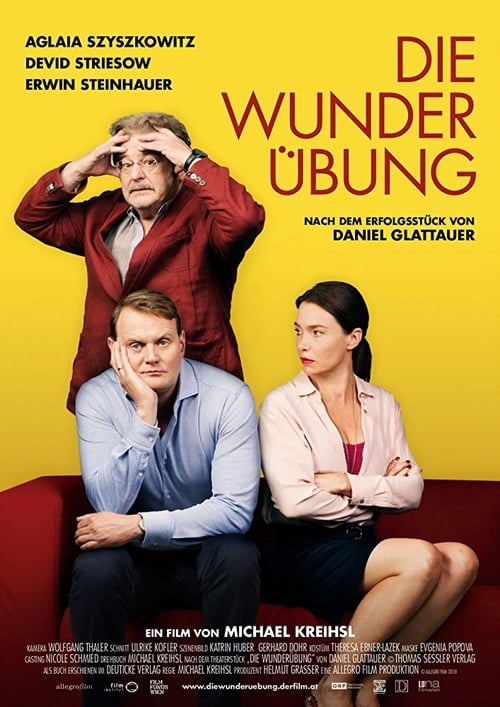
2018

2014

2014

2011

2012

2020

2018
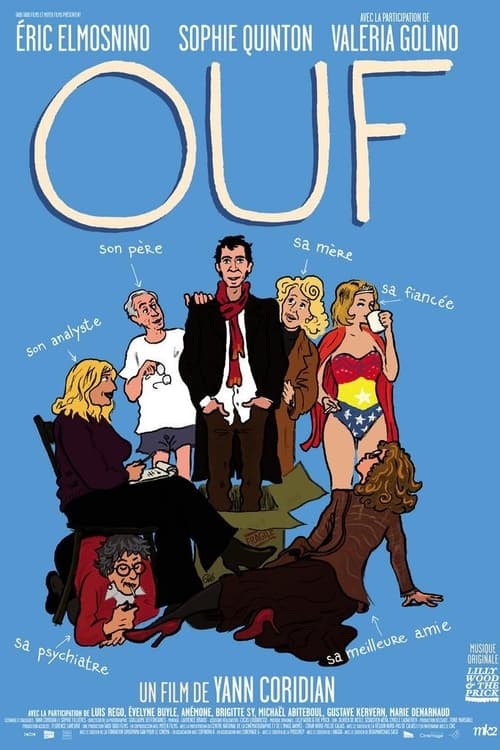
2013

2014
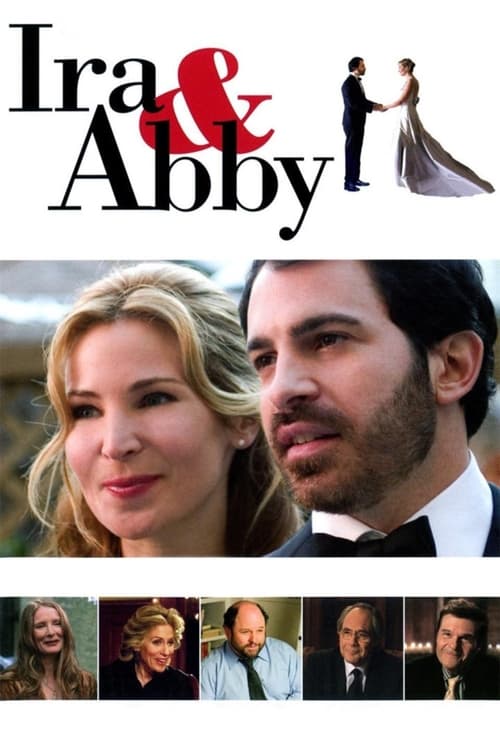
2006
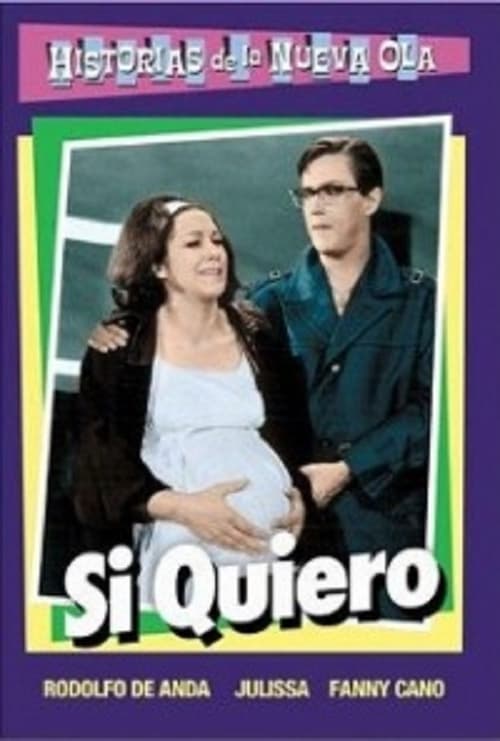
1967
No reviews yet. Be the first to share your thoughts on this movie!
Use the rating form above to leave a star rating and optional review.