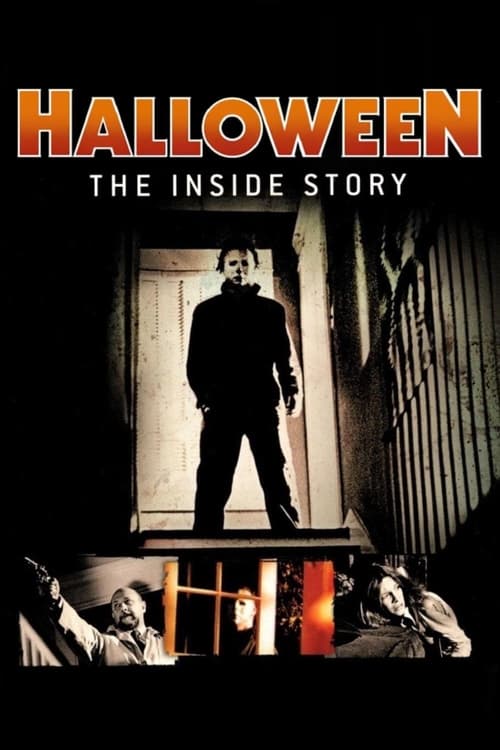
Halloween: The Inside Story
2010
No user ratings available yet
Diversity score: 2.4 out of 10

2001
Director
Mark Cerulli
Runtime
17 minutes
Average Rating
No ratings yetSynopsis
Retrospective documentary on the making of "Halloween 4: The Return of Michael Myers."
Overall Score
Limited
Category Breakdown
LGBTQ+ Representation
The documentary lacks LGBTQ+ characters or narratives addressing non-cisnormative identities. The focus remains strictly on the technical and logistical aspects of the film's production.
Gender Representation
The film examines a genre historically dominated by male creators. While it likely discusses female actors from the franchise, it does not prioritize deconstructing gender hierarchies.
Racial & Ethnic Diversity
The subject matter reflects the demographic homogeneity typical of early 1990s American horror. There is no evidence of diverse casting strategies or intentional racial exploration.
Religious & Cultural Diversity
The narrative centers on film industry mechanics and cinematic legacy. It does not engage with anti-Western themes or critiques of Western institutions, favoring industry nostalgia instead.
Disability Representation
There is no evidence regarding the portrayal of neurodivergence or visible disabilities. The film does not use these identities as central narrative elements.
Strengths
Areas for Improvement
AI Analysis
Halloween 4: Final Cut functions as a journalistic retrospective rather than a narrative designed for social commentary. Its primary purpose is the archival preservation of the production history of a specific slasher film. Because the documentary focuses on technical filmmaking and industry logistics, it lacks intentional engagement with intersectional identities. The content reflects the demographic norms of the era it examines. Ultimately, the film's low diversity score is a byproduct of its narrow scope. It prioritizes industry nostalgia over the disruption of traditional social hierarchies or cultural critiques.
2010

2006
2017

1991
2004

2011

1983
2003
1998
2003
1998

2006
No reviews yet. Be the first to share your thoughts on this movie!
Use the rating form above to leave a star rating and optional review.