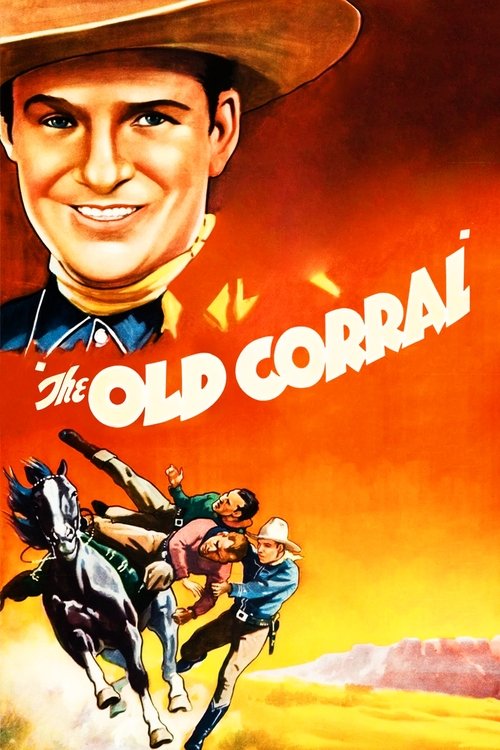
The Old Corral
1936
No user ratings available yet
Representation score: 0.5 out of 10
Representation Score
Minimal
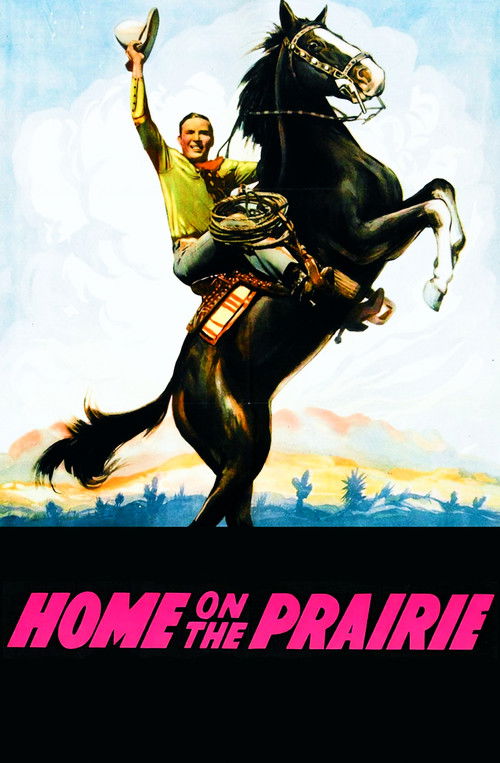
1939
PassedDirector
Jack Townley
Runtime
59 minutes
Average Rating
No ratings yetNew Showbiz Analysis
Home on the Prairie is a classic example of traditional genre filmmaking from the late 1930s. Its narrative structure upholds established social hierarchies and clear moral divisions through its musical Western format. The film serves to maintain the cultural values of the American West during its time. It focuses on conventional romantic relationships and reinforces Anglo-centric views of the frontier. Overall, the film does not aim to challenge systemic norms and instead focuses on preserving social harmony and traditional masculine authority.
Category Breakdown
The film does not include any LGBTQ+ characters or identities that don't match the gender assigned at birth. There are no clear representations of diverse sexual orientations or gender identities.
Men take the lead through physical actions and investigations, while Martha Wheeler, a central character, fits the traditional role expected of women in the 1930s.
The casting follows typical 1930s standards with a predominantly white cast. Interactions with Mexico do not highlight racial or cultural diversity.
The story upholds traditional Western values and social order. It emphasizes frontier stability and supports the status quo without questioning it.
There are no characters with visible or invisible disabilities playing key roles or showing specific ability to act in the story.
Present on Screen
Limited or Absent
Official Synopsis
When shifty cattlemen Belknap (Walter Miller) and H.R. Shelby (Gordon Hart) are caught shipping infected animals to Mexico, they frame inspector Gene Autry. Now Autry and his sidekick, Frog Millhouse (Smiley Burnette), must catch the bad guys in the act and set things straight. June Storey co-stars as rancher Martha Wheeler. Autry sings "I'm Gonna Round Up My Blues," "Moonlight on the Ranch House" and "Big Bull Frog."
1936
1940
1937
1951
1934
1935
1936
1946
No reviews yet. Be the first to share your thoughts on this movie!
Use the rating form above to leave a star rating and optional review.